If you’re someone who doesn’t get a lot of sunlight at home, don’t worry—you can still grow beautiful plants. I used to think plants only survive in bright sunlight, but after trying a few low-light indoor plants, I realized many plants actually do really well even in dim spaces.
These easy indoor plants for beginners are perfect for bedrooms, offices, or corners where sunlight is limited. The best part? Most of these are low-maintenance indoor plants, so you don’t have to stress too much about care.
In this guide, you’ll discover the best low-light indoor plants, how to care for indoor plants, and which ones are perfect if you’re just starting. If you want more simple plant care tips, explore beginner-friendly guides on Grow Plants Easy.
What Are Low-Light Indoor Plants?
Low-light indoor plants are plants that can survive and grow in places where sunlight is limited. These plants don’t need direct sunlight and can adapt to indoor environments easily.
This doesn’t mean they need no light at all—it simply means they can grow well in indirect or low sunlight conditions. That’s why they are perfect for homes, apartments, and offices.
Check this - Plant Health Checker Tool
Benefits of Growing Low-Light Indoor Plants
Growing plants in low-light spaces has several benefits, especially for beginners.
Perfect for Dark Rooms
These plants are ideal for rooms that don’t get much sunlight. You can place them in corners, hallways, or offices without worrying too much. They help you bring greenery even into spaces where most plants would struggle.
Easy to Maintain
Most low-light indoor plants are also easy houseplants. They don’t need frequent watering or special care routines. This makes them perfect if you’re busy or new to gardening.
Great for Beginners
If you’re just starting, these are some of the best indoor plants for beginners. They are forgiving and can survive small mistakes. You don’t need perfect conditions to keep them alive.
Best Low-Light Indoor Plants for Beginners
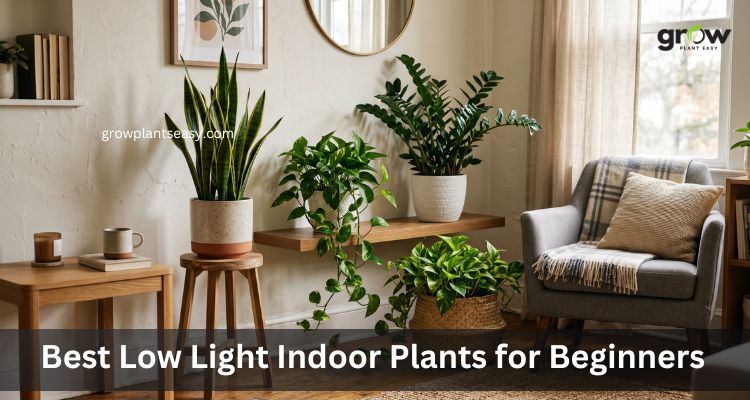
Here are some of the best low-light indoor plants that grow well even without much sunlight.
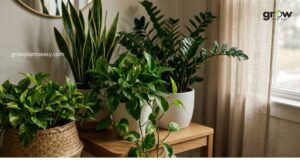
ZZ Plant
The ZZ plant is one of the easiest indoor plants to grow and can survive in very low light conditions. It has thick, glossy leaves that stay green even with minimal care.
It also doesn’t need frequent watering because it stores water in its roots. If you want a plant that almost takes care of itself, this is one of the best low-maintenance indoor plants.
👉 You can learn more in this detailed ZZ plant care guide.
Snake Plant
The snake plant is one of the best low-light houseplants and is known for its ability to survive in almost any condition. It can grow in both low light and bright light.
It also needs very little watering, which makes it perfect for beginners. This is one of the easiest houseplants you can have at home.
👉 Check out the complete snake plant care guide.
Pothos
Pothos is a popular choice when it comes to easy indoor plants for beginners. It grows fast and can adapt to low light easily.
Its trailing vines make it perfect for shelves or hanging pots. It’s also one of the best indoor plants for decoration.
👉 Read the full pothos plant care guide.
Peace Lily
The peace lily is one of the best indoor plants for beginners that can grow well in low light. It also produces beautiful white flowers, which is a bonus.
It’s a low-maintenance plant, but it does need watering when the soil gets dry. It’s great for adding a fresh look to your space.
👉 Learn more in the peace lily care guide.
Spider Plant
The spider plant is one of the easiest houseplants to grow indoors and can handle low light conditions quite well. It also grows quickly and produces small baby plants.
It’s perfect if you want an easy indoor plant that multiplies over time.
👉 Check the full spider plant care guide.
Rubber Plant
The rubber plant is a low-maintenance indoor plant that can survive in medium to low light conditions. Its large, glossy leaves make it very attractive.
It grows slowly but adds a bold look to any room. It’s great for living rooms or offices.
👉 Read the rubber plant care guide.
Aloe Vera
The aloe vera plant is one of the best beginner indoor plants that can adapt to low light, although it prefers some sunlight.
It’s very easy to care for and also has useful benefits. It doesn’t need frequent watering.
👉 Learn more in the aloe vera plant care guide.
How to Care for Low-Light Indoor Plants
Even though these plants are easy to grow, a few simple tips can help them stay healthy.
Watering Carefully
Low-light plants don’t need as much water as plants in bright light. Overwatering is the most common mistake. Always check the soil before watering to avoid root problems.
Providing Indirect Light
Even low-light plants need some light. Place them near a window or in a room with natural light. Avoid keeping them in complete darkness for long periods.
Choosing the Right Soil
Using well-draining soil for indoor plants is very important. It helps prevent water from sitting in the roots.
Good soil keeps your plants healthy and reduces common problems.
Cleaning Leaves
Dust can build up on leaves, especially indoors. Cleaning leaves helps the plant absorb light better. It also keeps your plant looking fresh and healthy.
Common Mistakes to Avoid
Even though low-light indoor plants are easy to grow, beginners often make small mistakes that can affect plant health. Avoiding these common errors can help your plants grow better and stay healthy for a long time.
Overwatering the Plant
Overwatering is the most common mistake when growing low-maintenance indoor plants. Since these plants grow slowly in low light, they don’t use water as quickly, which means the soil stays wet for longer. When roots sit in water for too long, it can lead to root rot and yellow leaves. Always check the soil before watering and make sure it feels dry on top.
Keeping Plants in Complete Darkness
Many people think low-light plants can survive without any light at all, which is not true. These plants can handle less light, but they still need some indirect light to grow. Keeping them in completely dark rooms can slow down growth and weaken the plant over time.
Using the Wrong Soil
Using heavy soil that holds too much water can damage your plants. Well-draining soil for indoor plants is very important to keep the roots healthy. If the soil stays soggy, it increases the risk of root rot. Always use a good potting mix that allows excess water to drain easily.
Not Cleaning Plant Leaves
Indoor plants often collect dust on their leaves, especially in low-light areas. This dust can block light and affect the plant’s ability to grow properly. Wiping the leaves occasionally helps the plant absorb more light and keeps it looking fresh and healthy.
Overcrowding Plants
Placing too many plants close together can block airflow and light. This can lead to slower growth and increase the chances of pests or diseases. Give each plant enough space so it can grow properly and get the light it needs.
You can also read - How to Grow Tulsi at Home
Low Light Indoor Plants Care Summary
| Care Factor | Ideal Condition | Beginner Tip |
|---|---|---|
| Light | Low to indirect light | Avoid complete darkness |
| Water | Less frequent | Let the soil dry first |
| Soil | Well-draining | Prevent root rot |
| Growth | Slow to moderate | Be patient |
Frequently Asked Questions About Low-Light Indoor Plants
1. What are the best low-light indoor plants for beginners?
Some of the best low-light indoor plants include ZZ plant, snake plant, pothos, and peace lily. These plants are easy to care for and can survive in low sunlight.
2. Can plants grow without sunlight?
Plants cannot grow in complete darkness, but many can survive in low light conditions. They use indirect light to grow slowly.
3. Which plant needs the least light?
The ZZ plant and snake plant are known to survive in very low light. They are some of the easiest indoor plants for beginners.
4. How often should I water low-light plants?
You should water only when the soil feels dry. Low-light plants need less water compared to others.
5. Are low-light plants good for bedrooms?
Yes, these plants are perfect for bedrooms because they don’t need much light and are easy to maintain.
Conclusion
Growing plants in low-light spaces is easier than you might think. With the right choices, you can enjoy greenery even without much sunlight.
These best low-light indoor plants are perfect for beginners and anyone looking for easy indoor plants that don’t require much effort. With simple care, they can stay healthy and beautiful for years 🌿✨