
The ZZ plant is honestly one of the best indoor plants for beginners. I remember getting my first ZZ plant because I wanted something that wouldn’t die if I forgot to water it—and it actually survived without any issues.
What makes this plant special is how tough it is. It can handle low light, irregular watering, and dry indoor conditions, which makes it perfect for busy people or anyone new to plant care.
In this ZZ plant care guide, you’ll learn everything about how to care for a ZZ plant indoors, including light, watering, soil, and simple tips to keep it healthy. If you want more easy plant care tips, explore beginner-friendly indoor plant guides on Grow Plants Easy.
What is a ZZ Plant?
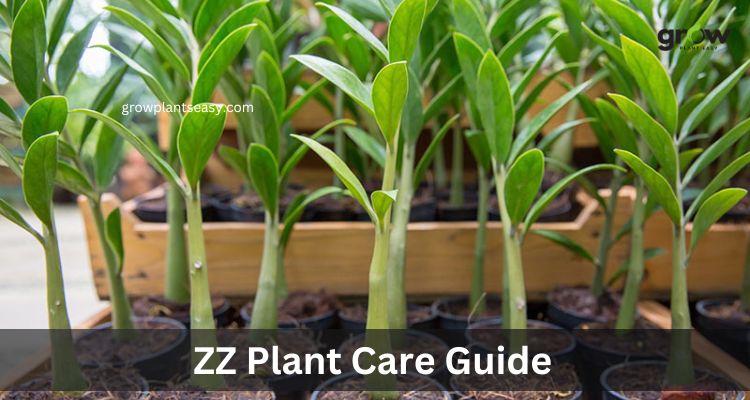
The ZZ plant, also known as Zamioculcas zamiifolia, is a popular low-maintenance indoor plant. It has thick stems and shiny, dark green leaves that give it a very clean and modern look.
It grows slowly but stays healthy for a long time, even if you don’t give it perfect care. That’s why it’s often called one of the hardest plants to kill.
Also read - How to Grow a Healthy Peace Lily Indoors
Benefits of Growing ZZ Plant Indoors
Easy to Grow and Maintain
The ZZ plant is extremely easy to care for, even if you forget about it sometimes. It doesn’t need frequent watering or special attention, which makes it perfect for busy people. From my experience, it’s one of those plants you can almost ignore, and it will still stay green and healthy.
Perfect Low Light Indoor Plant
One of the biggest reasons people love ZZ plants is that they can survive in low-light indoor conditions. You can place them in corners, offices, or rooms with little sunlight. Even though it prefers indirect light, it still grows well in dim areas, which is rare for most plants.
Improves Indoor Decor
With its shiny leaves and upright growth, the ZZ plant adds a modern and stylish look to any room. It works well in minimal setups and blends nicely with furniture. It’s one of the best indoor plants for home decoration.
Different Types of ZZ Plants
Even though most people think there’s only one ZZ plant, there are actually a few popular varieties you can choose from. Each type looks slightly different but still has the same low-maintenance indoor plant qualities.
Raven ZZ Plant
The Raven ZZ plant is one of the most popular varieties because of its unique dark leaves. New leaves start out bright green and slowly turn deep purple-black, giving it a very stylish, modern look. It’s perfect if you want something different from regular green plants. Care is the same as a normal ZZ plant, which makes it one of the best decorative indoor plants.
Dwarf ZZ Plant
The dwarf ZZ plant is a smaller version of the regular plant. It grows more compact and is perfect for desks, shelves, or small spaces. If you live in a small apartment or want a plant for your work desk, this is a great choice. It still offers all the benefits of a low-light indoor plant.
Variegated ZZ Plant
This type has leaves with light green or yellow patterns mixed with dark green. It looks very attractive and stands out compared to regular ZZ plants. However, it may need slightly more light to maintain its color. It’s a great option if you want a more unique indoor plant.

ZZ Plant Care Tips
Taking care of a ZZ plant is simple, but a few key things can help it grow better.
Light Requirements
ZZ plants do best in bright indirect light, but they can also survive in low light. However, if you want faster growth, placing them near a window is a good idea. Avoid direct sunlight because it can burn the leaves. A balanced light condition is the best for healthy growth.
Watering Schedule
The biggest mistake people make is overwatering. ZZ plants store water in their roots, so they don’t need frequent watering. Water your plant only when the soil is completely dry. Usually, watering every 2–3 weeks works well for most indoor conditions.
Soil and Potting Mix
ZZ plants prefer well-draining soil that doesn’t hold too much water. Regular indoor potting mix with drainage works perfectly. Always use a pot with drainage holes to avoid root rot, which is a common problem with overwatering.
Temperature and Humidity
ZZ plants grow well in normal room temperatures between 18°C and 30°C. They don’t need high humidity and can handle dry indoor air easily. This makes them one of the best indoor plants for Indian homes.
Fertilizing ZZ Plant
You don’t need to fertilize ZZ plants too often. Feeding once a month during the growing season is enough. Too much fertilizer can actually harm the plant, so keep it to a minimum.

How to Propagate ZZ Plant (Step-by-Step)
One of the best things about ZZ plants is that you can grow new plants from them. Even though it takes time, the process is quite simple and beginner-friendly.
1. Leaf Cutting Method
Take a healthy leaf from the plant and place it in soil or water. Over time, it will start developing roots and a small rhizome. This method is slow but very easy. It’s a good option if you want to experiment with plant propagation at home.
2. Stem Cutting Method
You can also cut a full stem and place it in water. After a few weeks, roots will start forming. Once the roots grow properly, you can transfer it to soil. This method is slightly faster than leaf propagation.
3. Division Method
If your ZZ plant is big, you can divide it into multiple plants while repotting. Each section should have roots attached. This is the fastest way to grow new plants and is often used when repotting large plants.
Common Problems with ZZ Plants
Even though ZZ plants are tough, they can still face some issues.
Yellow Leaves
Yellow leaves are usually caused by overwatering. If the soil stays wet for too long, the roots can rot. Let the soil dry completely before watering again to fix this problem.
Slow Growth
ZZ plants naturally grow slowly, so don’t expect quick results. However, very slow growth can be due to low light. Moving the plant to a brighter spot can help improve growth.
Root Rot
This happens when the plant is overwatered, and the soil doesn’t drain properly. The roots become soft and damaged. Using well-draining soil and watering less can prevent this issue.
Also check - Best Tool to Fix Plant Problems Fast
ZZ Plant Care Summary
| Care Factor | Ideal Condition | Beginner Tip |
|---|---|---|
| Light | Low to bright indirect | Avoid direct sunlight |
| Water | Every 2–3 weeks | Let the soil dry completely |
| Soil | Well-draining | Use drainage holes |
| Temperature | 18–30°C | Keep away from cold air |
| Fertilizer | Monthly | Don’t overfeed |
Frequently Asked Questions About ZZ Plant
1. How often should I water a ZZ plant?
You should water your ZZ plant every 2–3 weeks, depending on how fast the soil dries. Always check the soil before watering. If it still feels moist, wait a few more days.
2. Can a ZZ plant survive without sunlight?
Yes, ZZ plants can survive in low light conditions, which makes them perfect for indoor spaces. However, for better growth, some indirect light is always helpful.
3. Why are my ZZ plant leaves turning yellow?
Yellow leaves are usually a sign of overwatering. Reduce watering and make sure the pot has proper drainage.
4. Is the ZZ plant good for beginners?
Yes, it is one of the best beginner-friendly indoor plants. It requires very little care and can survive in different conditions.
5. How fast does a ZZ plant grow?
ZZ plants grow slowly compared to other plants. With proper care and light, you may see steady but slow growth over time.
Is the ZZ Plant Good for the Home? (Experience-Based)
From my personal experience, the ZZ plant is one of the best indoor plants for beginners. I’ve had times where I completely forgot to water it for weeks, and it still looked perfectly fine.
It’s honestly one of those plants that doesn’t stress you out. If you’re someone who is just starting with plants or doesn’t have much time, this plant is a perfect choice. It may not grow very fast, but it stays healthy and looks beautiful for a long time, which makes it totally worth it.