
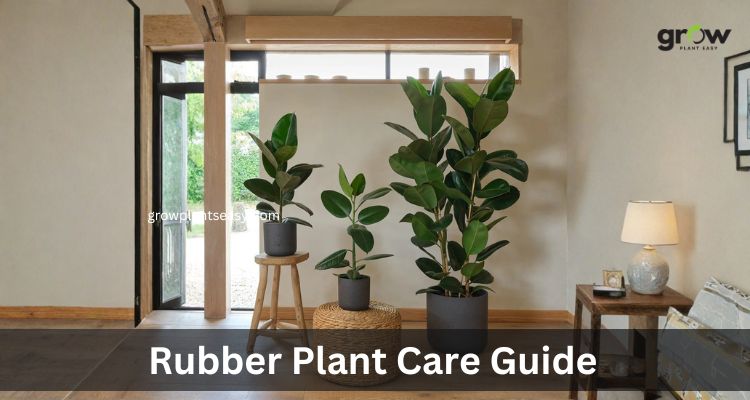
The rubber plant is one of those indoor plants that instantly makes your space look more stylish. I still remember when I brought my first rubber plant home—it had those big, shiny leaves, and it completely changed the vibe of my room.
What makes it even better is that it’s not too difficult to care for. With a little attention to light, watering, and soil, you can easily grow a healthy rubber plant indoors. In fact, it’s often considered one of the best plants for beginners because of its forgiving nature and low-maintenance needs.
In this rubber plant care guide, you’ll learn everything about how to grow a rubber plant indoors, including care tips, common problems, and beginner-friendly advice. If you want more simple plant care tips, explore helpful indoor plant guides on Grow Plants Easy.
What is a Rubber Plant?
The rubber plant, scientifically known as Ficus elastica, is a popular indoor houseplant known for its large, glossy leaves. These leaves are usually dark green, but some varieties have beautiful variegation.
It’s a slow-to-moderate-growing plant that can grow quite tall indoors if given the right conditions. That’s why it’s often used as a decorative indoor plant in homes and offices.
Check this post - How to Grow a Healthy ZZ Plant Indoors
Benefits of Growing Rubber Plant Indoors
Growing a rubber plant at home comes with several benefits, especially if you want a mix of beauty and low maintenance.
Improves Indoor Decor
The rubber plant is perfect for adding a modern and elegant touch to your home. Its large leaves stand out and make any room look more lively. If you’re into minimal or aesthetic setups, this is one of the best indoor plants for decoration.
Easy to Care for Beginners
Even though it looks fancy, the rubber plant is quite easy to manage. It doesn’t need constant attention, which makes it suitable for beginners. With basic care, you can keep it healthy for years, making it a great beginner-friendly indoor plant.
Helps Improve Indoor Environment
Like most indoor plants, rubber plants help create a more refreshing and natural environment. They add greenery, which can make your space feel calmer and more relaxing. Having plants around also encourages better plant care habits over time.
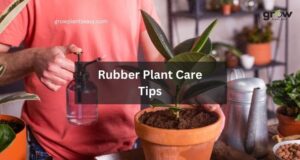
Rubber Plant Care Tips
Taking care of a rubber plant is simple once you understand its basic needs.
Light Requirements
Rubber plants prefer bright indirect light for the best growth. Placing them near a window where sunlight is filtered works really well. If kept in low light, the plant may survive, but growth will slow down. Avoid direct harsh sunlight as it can burn the leaves.
Watering Schedule
Watering is one of the most important parts of rubber plant care. The soil should be allowed to dry slightly between watering. Usually, watering once a week works well, but always check the soil first. Overwatering can lead to root rot, which is a common issue.
Soil and Potting Mix
Rubber plants grow best in well-draining soil that doesn’t hold too much water. A regular indoor potting mix with good drainage is ideal. Make sure your pot has drainage holes so excess water can escape easily.
Temperature and Humidity
Rubber plants grow well in temperatures between 18°C and 30°C. They prefer moderate humidity but can adjust to normal indoor conditions. Avoid placing them near cold drafts or AC vents, as sudden temperature changes can stress the plant.
Fertilizing Rubber Plant
To support healthy growth, you can feed your plant once a month during the growing season. Use a balanced fertilizer, but don’t overdo it. Too much fertilizer can harm the plant instead of helping it.
You can also read - How to Grow a Healthy Spider Plant Indoors
Different Types of Rubber Plants
There are a few popular varieties of rubber plants you can grow indoors.
Green Rubber Plant
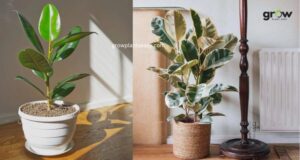
This is the most common type with deep green leaves. It’s easy to grow and perfect for beginners. It adapts well to indoor conditions and requires minimal care.
Variegated Rubber Plant
This type has leaves with green, cream, or yellow patterns. It looks very attractive and adds a decorative touch. It usually needs slightly more light to maintain its color.
Burgundy Rubber Plant
The burgundy variety has dark red or almost black leaves. It looks very bold and modern. This is a great option if you want something unique for your indoor space.
Common Problems with Rubber Plant
Even though rubber plants are easy to care for, they can face some common issues.
Yellow Leaves
Yellow leaves are usually caused by overwatering. When the soil stays too wet, roots can get damaged. Let the soil dry slightly before watering again to fix this issue.
Leaf Drop
If your rubber plant suddenly drops leaves, it may be due to changes in light, temperature, or watering. Try to keep the environment stable and avoid sudden changes.
Slow Growth
Slow growth can happen if the plant is not getting enough light. Moving it to a brighter spot can help improve growth. Feeding the plant occasionally can also support better growth.
Check - When to Repot Your Plants the Right Way
How to Propagate Rubber Plant
Growing new rubber plants is easier than you might think.
Stem Cutting Method
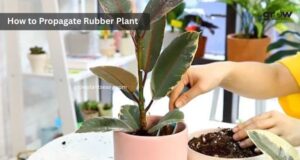
Take a healthy stem cutting and place it in water or soil. After a few weeks, roots will start to develop. This is the most common and beginner-friendly method.
Air Layering Method
This method involves making a small cut on the stem and wrapping it with moist moss. Roots will form at that spot over time. It’s slightly advanced but works well for bigger plants.
Best Places to Keep Rubber Plant Indoors
Choosing the right spot can improve both growth and appearance.
Living Room
The living room is perfect because it usually gets good light. The plant also acts as a statement piece here.
Near a Window
Placing the plant near a window ensures it gets enough bright indirect light. This helps in faster and healthier growth.
Office Space
Rubber plants work well in offices, too. They make the space look fresh and more productive.
Rubber Plant Care Summary
| Care Factor | Ideal Condition | Beginner Tip |
|---|---|---|
| Light | Bright indirect light | Avoid direct sun |
| Water | Weekly | Let the soil dry slightly |
| Soil | Well-draining | Use a drainage pot |
| Temperature | 18–30°C | Avoid cold air |
| Fertilizer | Monthly | Don’t overfeed |
Frequently Asked Questions About Rubber Plant
1. How often should I water a rubber plant?
You should water your rubber plant about once a week, depending on how quickly the soil dries. Always check the top layer of soil before watering.
2. Why are my rubber plant leaves falling off?
Leaf drop can happen due to sudden changes in light, watering, or temperature. Keeping conditions stable usually helps solve the problem.
3. Is a rubber plant good for beginners?
Yes, it’s one of the best indoor plants for beginners. It’s easy to care for and adapts well to indoor environments.
4. Can a rubber plant grow in low light?
It can survive in low light, but growth will be slow. For best results, keep it in bright indirect light.
5. How fast does a rubber plant grow?
Rubber plants grow at a moderate speed. With proper care, they can grow quite tall indoors over time.
Final Thoughts
The rubber plant is one of the best indoor plants if you want something stylish and easy to care for. Its large, glossy leaves make it a perfect addition to any home.
With proper light, watering, and a little care, your rubber plant can grow beautifully and stay healthy for years 🌿✨