
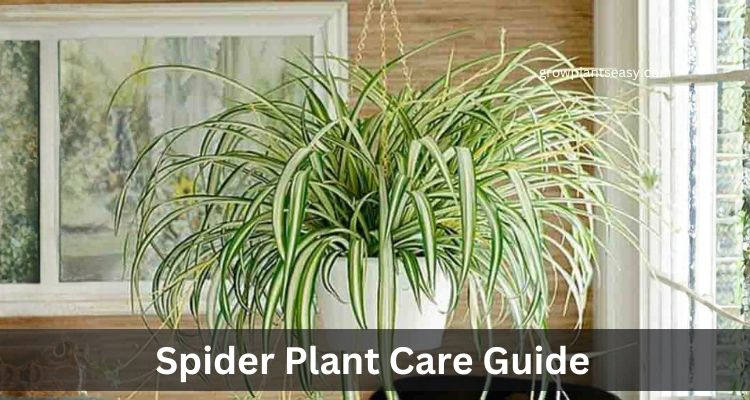
Spider plants are one of the most popular indoor plants you’ll see in homes. Their long, arching leaves and those tiny baby plants hanging down make them look really attractive without trying too hard.
What’s great is they’re easy to care for. Even if you’re new to indoor gardening, spider plants don’t need much fuss, so they’re pretty forgiving.
Many beginners pick spider plants because they grow quickly and don’t require constant attention. You can put them on a shelf, near a window, or in a hanging basket, and they’ll keep growing with just basic care.
In this spider plant care guide, you’ll learn everything about how to care for a spider plant indoors, including watering, light requirements, soil, and propagation. If you want to explore more simple and beginner-friendly plant guides, you can check out more indoor plant tips on Grow Plants Easy.
What is a Spider Plant?
Spider plants, or Chlorophytum comosum, are common houseplants known for growing fast and being easy to look after. They get their name from the small baby plants that dangle from the main plant—those look like tiny spiders, which is why the name fits.
Spider plants are originally tropical plants, but they adapt really well indoors. That’s why they are considered one of the best indoor plants for beginners.
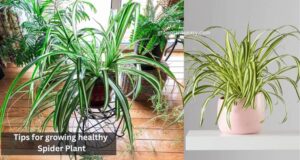
Benefits of Growing Spider Plants Indoors
Easy Indoor Plant for Beginners
Compared to many houseplants, spider plants are simple to maintain. You don’t need to follow complicated routines, and even if you make small mistakes like watering a little late, the plant usually survives. That’s why it’s often recommended as one of the best beginner indoor plants.
Fast Growth
Spider plants grow quickly. With enough light and water, they become fuller and start making baby plants, which is satisfying if you’re new to gardening.
Perfect for Home Decoration
Spider plants look really nice in different indoor setups.
You can keep them:
-
In hanging baskets
-
On shelves
-
Near windows
Their leaves spread out nicely and give a natural, fresh look to your room
Easy to Multiply
You can easily grow new plants from the baby spider plants. Just cut one off and plant it to grow a new spider plant. This way, one plant can turn into many over time.
Also Read - Bougainvillea Plant Care Guide
Spider Plant Care Tips
Spider plants are easy to care for indoors, but a few key tips will help them thrive.
Light Needs
They do best with bright, indirect sunlight. A spot near a window with filtered light works well. Direct sun can burn their leaves, so try to avoid that.
They can survive in low light, but they grow more slowly. A bright spot usually helps them grow better.
Watering
Water your spider plant when the top of the soil feels dry. Overwatering can cause root problems, so be careful. Usually, watering about once a week in warm months works.
In general:
-
Water once a week in warmer months
-
Reduce watering in winter
Always check the soil instead of following a fixed schedule.
Soil and Pots
Spider plants prefer soil that drains well. Regular indoor potting mix is fine if it doesn’t hold too much water. A pot with drainage holes helps prevent water from sitting and causing root rot.
Temperature and Humidity
They like normal indoor temperatures between about 60°F and 86°F (18°C to 30°C). They don’t need extra humidity and can handle regular room conditions. Just avoid cold spots or direct air conditioner drafts.
Growing New Plants
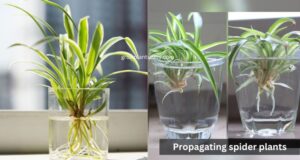
Propagating spider plants is simple. Cut a baby plant and put it in water or soil. After a few weeks, it will grow roots and become a new plant. This is a great way to grow your indoor garden.
| Care Factor | Ideal Condition | Beginner Tip |
|---|---|---|
| Light | Bright indirect light | Avoid strong direct sunlight |
| Water | Once a week (approx.) | Let soil dry before watering |
| Soil | Well-draining potting mix | Use pots with drainage holes |
| Temperature | 18–30°C | Keep in normal room conditions |
| Humidity | Normal indoor humidity | No extra care needed |
Superstitions and Beliefs About Keeping a Spider Plant in a Room
Just like many indoor plants, spider plants are also connected with a few beliefs and superstitions in different cultures. Some people believe they bring positive energy, while others have small concerns about where to keep them.
1. Spider Plant as a Symbol of Positive Energy
Many people believe that spider plants help create a calm and peaceful environment inside the room. Because of their fresh green leaves and easy growth, they are often seen as a symbol of balance and positivity. Keeping one in your room is said to make the space feel lighter and more relaxing.
Even if you don’t believe in it, having greenery around definitely makes a room feel fresher and livelier.
2. Good for Reducing Negative Vibes
Some people believe that indoor plants like spider plants can absorb negative energy from the surroundings. That’s why they are sometimes placed in bedrooms or living rooms where people spend most of their time. It’s thought that the plant helps maintain a more peaceful and stress-free atmosphere.
3. Where to Keep a Spider Plant in Your Room
According to some traditional beliefs, placing a spider plant near windows or in well-lit corners is considered good. Some also suggest keeping it in the east or north direction of the room for better energy flow. However, these are just general beliefs and not strict rules.
The most important thing is to place it where the plant gets enough light to grow properly.
4. Brings a Sense of Growth and Freshness
Spider plants grow quickly and produce baby plants, which many people see as a symbol of growth and expansion. Because of this, some believe that keeping them in your room can represent personal growth, progress, and new beginnings.
Even if it’s just symbolic, watching the plant grow can feel quite satisfying and motivating.
You can also read about - How to Grow Healthy Pothos Indoors
Common Problems with Spider Plants
Brown Leaf Tips
Brown tips are common. They can come from tap water chemicals, too much fertilizer, or dry air. You can trim the brown tips and try using filtered water to help.
Yellow Leaves
Yellow leaves often mean the plant is overwatered. Wet soil for too long can hurt the roots. Letting the soil dry out before watering again usually fixes this.
Slow Growth
If your plant isn’t growing well, it might not have enough light. Moving it to a brighter spot can improve growth.
No Baby Plants
Sometimes spider plants don’t make baby plants. This can happen if the plant is young or not getting enough light. With time and care, baby plants should start appearing.
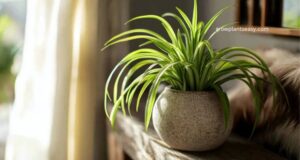
Different Types of Spider Plants
There are a few common types you might find.
Variegated Spider Plant
This is the most common type with green leaves and white stripes. It looks bright and decorative, making it a popular choice for indoor spaces.
Reverse Variegated Spider Plant
This type has white leaves with green edges. It looks slightly different but requires the same spider plant care as other varieties.
Solid Green Spider Plant
This variety has plain green leaves without stripes. It is usually stronger and can handle lower light conditions better.
Curly Spider Plant (Bonnie)
This type has curly leaves instead of straight ones. It looks unique and decorative but is just as easy to care for.
Frequently Asked Questions About Spider Plants
1. How often should I water my spider plant?
Usually, once a week works. Check the soil—if the top feels dry, it’s time to water. It’s safer to underwater a bit than to overwater. Make sure excess water can drain away.
2. Can spider plants grow in low light?
Yes, they can survive low light, but grow more slowly and may produce fewer babies. Brighter, indirect light helps them grow better.
3. Is the spider plant good for beginners?
Definitely. They’re simple to care for and can handle some watering mistakes, making them great for people new to plants.
4. Why are the tips of my spider plant turning brown?
Brown tips usually come from tap water chemicals, too much fertilizer, or dry air. Trimming the tips and using filtered water can help.
5. Can I grow spider plants in water?
Yes, you can grow the baby plants in water until roots form. After that, you can move them to soil. Some keep them in water for decoration, but soil is better long-term.
Conclusion
In summary, spider plants are easy and reliable indoor plants. With just the right light, occasional watering, and good soil drainage, they can thrive for years. They’re a great choice if you’re starting out and even better because they grow babies, so your indoor garden can naturally expand.