
🌱 Raised Bed Soil Calculator
🌿 Tip: Mixing compost with garden soil improves drainage and plant growth.
Raised bed gardening is one of the easiest and most efficient ways to grow vegetables, herbs, flowers, and other plants. However, one of the biggest questions gardeners ask before filling their beds is:
👉 “How much soil do I need for my raised bed?”
Buying too little soil can delay your gardening project, while purchasing too much may increase unnecessary costs and leave extra material unused.
If you want more beginner-friendly gardening calculators and plant-care tools, explore the helpful guides on Grow Plants Easy.
That’s exactly where this Raised Bed Soil Calculator helps.
This tool helps estimate:
- Total raised bed area
- Soil volume required
- Cubic feet and cubic yards needed
- Estimated soil cost
- Raised bed soil planning
Whether you are building a small vegetable bed or a large backyard garden, this raised bed soil calculator helps simplify the planning process and provides accurate soil estimates.
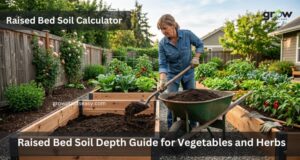
🌿 How to Use the Raised Bed Soil Calculator
Using this raised bed soil calculator is very simple and beginner-friendly.
First, enter the length and width of your raised garden bed. Then choose the bed depth, select your preferred soil type, and enter the approximate cost per cubic yard.
Once you click calculate, the tool instantly provides:
- Total bed area
- Soil volume needed
- Cubic yards required
- Estimated project cost
This helps gardeners avoid wasting money and ensures enough soil for healthy plant growth.
Check – Landscape Rock Calculator
🌱 Why Use a Raised Bed Soil Calculator?
Estimating soil manually can often lead to inaccurate results.
Using a raised bed soil calculator helps you:
- Buy the correct amount of soil
- Reduce material waste
- Save money on gardening supplies
- Improve raised bed preparation
- Support healthier plant growth
Instead of guessing, you receive quick and reliable soil estimates for your garden.
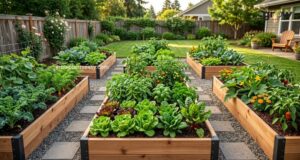
🌼 What This Calculator Helps You With
Raised Bed Area Calculation
The calculator accurately measures the total size of your raised garden bed based on the dimensions you enter. This is important because soil calculations depend directly on the total bed area. Proper measurements help ensure complete and even soil filling.
Soil Volume Estimate
The calculator determines how much soil volume your raised bed requires based on the selected depth. Different plants need different soil depths for healthy root growth. Accurate volume calculations help avoid buying too much or too little soil.
Cubic Yard Conversion
Since bulk garden soil is commonly sold by the cubic yard, the calculator converts the total soil volume to cubic yards. This makes ordering soil from local suppliers much easier. It also helps gardeners compare bagged soil versus bulk delivery options.
Cost Estimation
The calculator estimates the total soil cost based on your selected soil type and local pricing. This helps gardeners plan budgets before purchasing materials. Budget planning becomes especially useful for larger raised bed projects.
Better Garden Planning
Proper soil planning improves the overall success of raised bed gardening. Healthy soil supports better drainage, stronger root development, and improved plant growth. Organized planning also helps save time during garden setup.
Also check - Stepping Stone Calculator
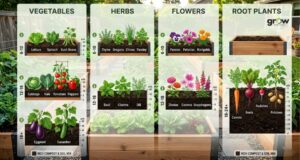
📊 Raised Bed Soil Depth Guide Table
| Plant Type | Recommended Soil Depth |
|---|---|
| Herbs | 6 inches |
| Lettuce & Greens | 6–8 inches |
| Flowers | 8–12 inches |
| Vegetables | 12–18 inches |
| Root Vegetables | 18–24 inches |
You can also check - Calculate How Much Sod You Need Easily
🌿 Raised Bed Soil Volume Examples
| Raised Bed Size | Depth | Estimated Soil Needed |
|---|---|---|
| 4×4 ft | 6 in | 8 cubic feet |
| 4×8 ft | 12 in | 32 cubic feet |
| 6×10 ft | 12 in | 60 cubic feet |
| 8×12 ft | 18 in | 144 cubic feet |
❓ FAQs – Raised Bed Soil Calculator
1. How much soil do I need for a raised bed?
The amount of soil required depends on your raised bed size and depth. Larger and deeper beds naturally require more soil volume. This calculator helps provide accurate soil estimates based on your dimensions.
2. What is the best soil depth for raised beds?
Most vegetables grow well in 12–18 inches of soil depth. Herbs and leafy greens may need less depth, while root vegetables often require deeper soil. Choosing the correct depth improves root development and plant growth.
3. Should I use garden soil or raised bed mix?
Raised bed mixes are usually better because they provide improved drainage, aeration, and nutrient content. Regular garden soil may become compacted over time. Using quality soil helps support healthier plants.
4. Should I add compost to raised bed soil?
Yes, compost improves soil fertility, drainage, and moisture retention. It also adds organic matter that supports healthy root growth. Many gardeners mix compost into raised beds for better results.
5. Why does soil settle in raised beds?
Soil naturally compacts over time due to watering and gravity. Organic materials may also break down slowly, causing soil levels to drop. Adding slightly extra soil helps compensate for settling.
🌱 Conclusion
The Raised Bed Soil Calculator is a practical and easy-to-use gardening tool that helps homeowners and gardeners estimate soil requirements accurately. It simplifies raised bed planning by calculating soil volume, cubic yards, and estimated costs based on your garden dimensions.
By using the correct amount of quality soil, you can improve drainage, support stronger root growth, and create healthier growing conditions for vegetables, herbs, flowers, and other plants. Whether you are starting a small raised bed or building a large backyard garden, this calculator makes the process easier and more efficient 🌿✨