
🌱 Grass Seed Calculator
🌿 Tip: Proper seeding ensures even lawn growth and reduces patchiness.
Planting a new lawn or overseeding your existing grass? One of the most common questions homeowners ask is:
👉 “How much grass seed do I need?”
Using too little seed can lead to patchy growth, while using too much can waste money and cause overcrowding.
For more lawn care tools and gardening calculators, explore Grow Plants Easy.
That’s exactly where this Grass Seed Calculator helps.
This tool helps you estimate:
- Lawn area size
- Seed quantity required
- Coverage rate based on grass type
- Total cost estimate
- Overseeding vs new lawn needs
Whether you’re starting a new lawn or repairing patches, this lawn seed calculator makes planning easy and accurate 🌿

🌱 How to Use the Grass Seed Calculator
Using this grass seed calculator tool is very simple.
Enter your lawn dimensions, select grass type and coverage rate, then input cost per pound.
The calculator will instantly show:
- Lawn area
- Seed required
- Total cost
This helps avoid underseeding or overseeding.

🌼 What This Calculator Helps You With
Lawn Area Calculation
The calculator accurately measures the total size of your lawn based on the dimensions you enter. This is the most important step because all further calculations depend on this value. Even a small mistake in area measurement can lead to buying too much or too little grass seed, so it’s important to enter correct dimensions.
Seed Quantity Estimate
Based on your lawn area and selected coverage rate, the calculator determines how much grass seed you need. This helps ensure that your lawn gets even coverage without overcrowding or patchy growth. Using the right amount of seed improves germination and gives you a thick, healthy lawn.
Cost Planning
The calculator also estimates the total cost of grass seed based on your input price per pound. This allows you to plan your budget before purchasing materials. It helps you compare different seed options and choose the one that fits your budget best.
Lawn Planning Support
This tool works for both new lawn installation and overseeding existing lawns. It helps you understand how much seed is required, depending on your lawn condition. Proper planning ensures better results and avoids wasting time and money.
Check this - Plant Spacing Calculator
❓ FAQs – Grass Seed Calculator
1. How much grass seed do I need for my lawn?
The amount of grass seed you need depends on your lawn size and whether you are planting a new lawn or overseeding an existing one. Larger areas naturally require more seed, while smaller lawns need less. Using this calculator helps you get an accurate estimate so you don’t overbuy or underseed.
2. What is the best seed rate for a new lawn?
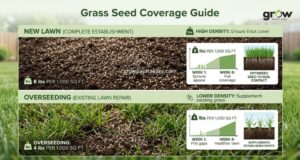
For a new lawn, a higher seed rate is recommended to ensure full and even coverage. Typically, around 7–10 lbs per 1000 square feet works well for most grass types. This helps create a dense lawn and reduces the chances of patchy growth.
3. How much seed is needed for overseeding?
Overseeding requires less seed compared to starting a new lawn because you are only filling in thin or bare spots. A typical rate is around 3–5 lbs per 1000 square feet. This improves lawn thickness without overcrowding the existing grass.
4. Can I use too much grass seed?
Overcrowded grass plants compete for nutrients, water, and sunlight, leading to weak and unhealthy growth. It’s always better to follow recommended seeding rates for best results.
5. Why is my lawn patchy after seeding?
Patchy lawns can occur due to uneven seed distribution, poor soil preparation, or insufficient watering. Sometimes, birds or wind may also disturb the seeds before they germinate. Ensuring proper seeding technique and regular watering can improve results significantly.
6. When is the best time to plant grass seed?
The best time to plant grass seed depends on the type of grass you are using. Cool-season grasses grow best in early spring or fall, while warm-season grasses perform better in late spring or early summer. Planting at the right time improves germination and growth.
Also check - Succulent Watering Calculator & Indoor Plant Watering Calculator