
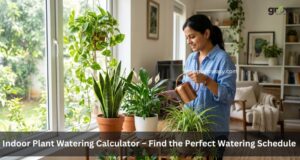
🪴 Indoor Plant Watering Calculator
Find the ideal watering schedule for your indoor plants based on plant type, pot size, light conditions, humidity, and season.
Keeping indoor plants healthy starts with proper watering. While some houseplants enjoy consistently moist soil, others prefer to dry out between waterings. Because every plant has different needs, many plant owners often wonder:
👉 “How often should I water my indoor plants?”
The answer depends on several factors, including plant type, pot size, sunlight exposure, humidity, and the season.
Looking for more gardening and plant care tools? Explore Grow Plants Easy for calculators, growing guides, and expert plant tips to help your plants thrive year-round.
That’s where this Indoor Plant Watering Calculator comes in.
This tool helps estimate:
- Indoor plant watering frequency
- Houseplant watering schedules
- Watering needs based on environmental conditions
- Seasonal watering adjustments
- Soil moisture management recommendations
🌿 How to Use the Indoor Plant Watering Calculator
Using this houseplant watering calculator is quick and easy.
Select:
- Plant type
- Pot size
- Light conditions
- Indoor humidity level
- Current season
After clicking calculate, you’ll instantly receive:
- Recommended watering frequency
- Water requirement rating
- Plant care insights
- Watering recommendations
- Moisture management tips
This helps reduce guesswork and improves indoor plant health.
🌱 What This Calculator Helps You With
Indoor Plant Watering Schedule Estimation
Different plants use water at different rates. This calculator estimates how often your plant may need watering based on its growing conditions. Following an appropriate watering schedule helps maintain healthy roots and foliage.
Seasonal Watering Adjustments
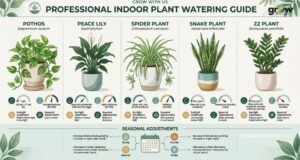
Indoor plants often need different amounts of water throughout the year. During summer, plants usually use more moisture because of higher temperatures and increased growth. In winter, many houseplants slow their growth and require less frequent watering.
Light and Humidity Analysis
Plants growing in bright locations generally use water faster than those in low-light areas. Humidity levels also affect how quickly moisture evaporates from the soil. Understanding these factors helps create more accurate watering schedules.
Pot Size Considerations
Small pots tend to dry out faster because they contain less soil and moisture. Larger pots retain water for longer periods and may require less frequent watering. Choosing the right pot size can significantly affect watering needs.
Check this post - Estimate the Value of Your Tree Easily
🌞 Why Proper Watering Matters
Water is essential for plant growth, nutrient transport, and healthy leaf development. However, both too much and too little water can cause stress.
Proper watering helps:
- Support healthy root systems
- Encourage new growth
- Prevent root rot
- Reduce leaf yellowing
- Improve overall plant appearance
A consistent watering routine leads to healthier and longer-living houseplants.
You can also check - Seed Germination Calculator
📊 Indoor Plant Watering Frequency Guide
| Plant Type | Typical Watering Frequency |
|---|---|
| Fern | Every 3–5 Days |
| Peace Lily | Every 4–7 Days |
| Spider Plant | Every 5–8 Days |
| Pothos | Every 7–10 Days |
| ZZ Plant | Every 10–14 Days |
| Snake Plant | Every 14–21 Days |
| Succulents | Every 14–21 Days |
🌱 Indoor Light and Watering Relationship
| Light Condition | Water Usage |
|---|---|
| Bright Direct Light | High |
| Bright Indirect Light | Moderate to High |
| Medium Light | Moderate |
| Low Light | Low |
💡 Signs Your Plant Needs Water
- Dry soil surface
- Drooping leaves
- Curling foliage
- Slower growth
- Lightweight pot
These signs often indicate that your plant may need watering soon.
❓ FAQs – Indoor Plant Watering Calculator
1. How often should indoor plants be watered?
Most indoor plants require watering every 5–14 days, depending on plant type, pot size, light exposure, humidity, and season. This calculator provides a personalized estimate.
2. What is the best way to check soil moisture?
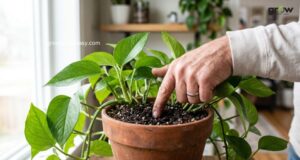
Insert your finger about one inch into the soil. If it feels dry, watering may be needed. If the soil still feels moist, wait before watering.
3. Do indoor plants need less water during winter?
Yes. Many houseplants grow more slowly during winter and typically require less frequent watering than in summer.
4. Can low light affect watering needs?
Absolutely. Plants in low-light environments generally use less water because growth and photosynthesis are slower.
5. Why are my plant leaves turning yellow?
Yellow leaves can be caused by several factors, but overwatering is one of the most common reasons. Check soil moisture and drainage conditions.
🪴 Conclusion
The Indoor Plant Watering Calculator helps plant owners estimate proper watering schedules based on plant type, light levels, humidity, pot size, and seasonal conditions. Instead of relying on guesswork, you can create a watering routine that better matches your plant’s actual needs.
By understanding how environmental factors affect moisture usage, you can prevent overwatering, encourage healthy growth, and keep your indoor plants thriving throughout the year 🌿✨