
🌱 Seed Germination Calculator
Calculate germination percentage, viable seedlings, and how many seeds you should sow.
Starting plants from seeds can be rewarding, but not every seed will sprout successfully. Whether you’re growing vegetables, flowers, herbs, or native plants, knowing your seed germination rate can help you plan more effectively and avoid planting disappointments.
Many gardeners ask:
👉 “How many of my seeds will actually grow?”
That’s exactly where this Seed Germination Calculator helps.
If you’re looking for more gardening calculators and growing tools, explore helpful resources on Grow Plants Easy.
This tool helps estimate:
- Seed germination percentage
- Viable seed count
- Expected seedling success rate
- Recommended number of seeds to sow
- Seed quality and planting efficiency
Whether you’re testing old seed packets or planning a large garden, this seed germination calculator helps improve planting success and reduce wasted seeds.
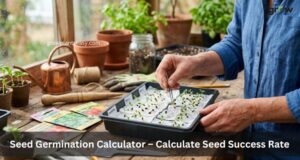
🌿 How to Use the Seed Germination Calculator
Using this germination rate calculator is quick and simple.
First, enter the total number of seeds tested and the number of seeds that successfully germinated. Then enter how many plants you want to grow.
Once you click calculate, the tool instantly provides:
- Germination percentage
- Viable seed estimate
- Recommended seeds to sow
- Germination success insights
This helps gardeners make better planting decisions and avoid underplanting.
Also check – Tree Removal Cost Calculator & Sod Calculator
🌱 Why Use a Seed Germination Calculator?
Many gardeners assume every seed will sprout, but real-world germination rates vary significantly.
Using a seed germination calculator helps you:
- Predict planting success
- Reduce seed waste
- Plan garden space accurately
- Estimate viable seedlings
- Improve gardening efficiency
Instead of guessing, you receive practical germination estimates based on actual seed performance.
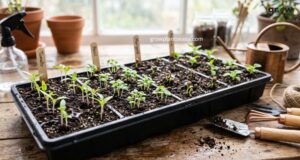
🌼 What This Calculator Helps You With
Germination Percentage Calculation
The calculator determines the percentage of seeds that successfully germinated during testing. This provides a clear indication of seed quality and viability. Understanding germination rates helps gardeners make more accurate planting plans and improve overall growing success.
Seed Viability Estimation
Not all seeds remain viable forever. Older seeds often have lower germination rates than fresh seeds. This calculator helps estimate how many seeds are likely to produce healthy seedlings, making it easier to decide whether old seed packets are still worth using.
Planting Quantity Planning
If you need a specific number of plants, the calculator can estimate how many seeds should be sown. This prevents shortages caused by poor germination and helps ensure you achieve your planting goals without wasting seeds.
Garden Resource Management
Accurate germination estimates help save money, space, soil, and gardening supplies. Instead of overplanting or buying unnecessary seed packets, gardeners can plan their growing space more efficiently.
Seed Testing Support
Many gardeners test seeds before planting season to determine their viability. This calculator works perfectly alongside simple germination tests and helps interpret the results quickly and accurately.
Check these posts - Raised Bed Soil Calculator & Succulent Watering Calculator
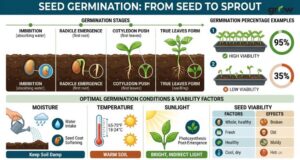
📊 Seed Germination Percentage Guide
| Germination Rate | Seed Quality |
|---|---|
| 90–100% | Excellent |
| 80–89% | Very Good |
| 70–79% | Good |
| 60–69% | Fair |
| Below 60% | Poor |
🌱 Average Germination Rates for Common Plants
| Plant Type | Typical Germination Rate |
|---|---|
| Tomatoes | 85–95% |
| Peppers | 70–90% |
| Lettuce | 80–95% |
| Marigolds | 75–90% |
| Basil | 70–90% |
| Sunflowers | 80–95% |
❓ FAQs – Seed Germination Calculator
1. What is seed germination percentage?
Seed germination percentage is the proportion of seeds that successfully sprout during a germination test. It helps measure seed quality and planting potential.
2. Why should I test seed germination?
Testing helps determine whether seeds are still viable before planting. This can save time, garden space, and money by identifying poor-quality seeds early.
3. What is considered a good germination rate?
A germination rate above 80% is generally considered very good for most garden seeds. Lower rates may require planting extra seeds to achieve the desired results.
4. Do old seeds still germinate?
Many older seeds can still germinate, but germination percentages often decline over time. Testing is the best way to evaluate older seed packets.
5. Can temperature affect germination?
Yes. Most seeds have an optimal temperature range for germination. Incorrect temperatures may slow sprouting or reduce success rates.
🌱 Conclusion
The Seed Germination Calculator is a practical tool that helps gardeners estimate germination percentage, seed viability, and planting requirements. By understanding how many seeds are likely to sprout, you can plan your garden more accurately, reduce waste, and improve growing success.
Whether you’re growing vegetables, flowers, herbs, or native plants, using a germination calculator can help you make smarter planting decisions and enjoy healthier, more productive gardens throughout the growing season 🌿✨