
🌱 Plant Spacing Calculator
🌿 Tip: Proper spacing improves airflow, growth, and disease prevention.
Proper plant spacing is one of the most important factors for healthy plant growth, strong yields, and disease prevention. Many gardeners often ask:
👉 “How many plants can I fit in my garden?”
Planting too closely can lead to overcrowding, poor airflow, and weak growth, while planting too far apart can waste valuable gardening space.
For more gardening calculators and expert plant-growing tools, explore Grow Plants Easy.
That’s exactly where this Plant Spacing Calculator helps.
This practical tool helps estimate:
- Garden area size
- Recommended plant spacing
- Total plant capacity
- Row layout planning
- Better garden organization
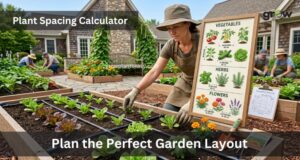
🌱 How to Use the Plant Spacing Calculator
Using this plant spacing calculator tool is simple and beginner-friendly.
First, enter your garden length and width. Then select the recommended spacing for your plant type and add the crop name if desired.
Once you click calculate, the tool instantly provides:
- Total garden area
- Number of plants your space can hold
- Row layout estimate
- Spacing recommendations
This makes garden planning easier, especially for raised beds and vegetable gardens.
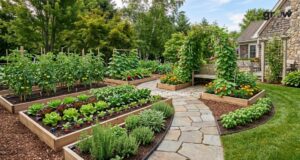
🌼 What This Calculator Helps You With
This tool helps gardeners optimize space while improving plant health and productivity.
Total Garden Area Calculation
The calculator accurately measures your available planting area based on your dimensions. This ensures efficient garden layout planning without wasted space.
Plant Capacity Estimate
Using spacing recommendations, the tool calculates how many plants can fit comfortably in your garden. This helps prevent overcrowding while maximizing harvest potential.
Row Layout Planning
The calculator estimates how many plants fit per row and how many rows your space can support. This makes planting more organized and visually structured.
Better Plant Health
Proper spacing improves airflow, sunlight exposure, and nutrient access. This reduces disease risks and promotes stronger plant growth.
Smart Gardening Tips
Helpful spacing suggestions guide gardeners based on crop size, from compact greens to large vegetables.
Check – How Much River Rock You Need & How Much Compost You Need
📊 Recommended Plant Spacing Guide Table
| Plant Type | Recommended Spacing |
|---|---|
| Lettuce | 6 inches |
| Basil | 12 inches |
| Carrots | 3–4 inches |
| Tomatoes | 24–36 inches |
| Peppers | 18–24 inches |
| Cucumbers | 24–36 inches |
🌱 Raised Bed Plant Capacity Example
| Bed Size | 6-Inch Spacing | 12-Inch Spacing |
|---|---|---|
| 4×4 ft | 64 plants | 16 plants |
| 4×8 ft | 128 plants | 32 plants |
| 10×10 ft | 400 plants | 100 plants |
❓ FAQs – Plant Spacing Calculator
1. Why is plant spacing important?
Proper spacing improves airflow, sunlight access, and nutrient availability while reducing disease risks.
2. Can I plant vegetables closer together?
Some compact crops allow closer spacing, but overcrowding larger plants can reduce yields.
3. Does raised bed gardening change spacing?
Yes, raised beds may allow slightly denser planting due to improved soil conditions.
4. What happens if plants are too close?
Overcrowding can cause poor airflow, disease, stunted growth, and reduced productivity.
5. How do I know the right spacing for each crop?
This calculator provides general recommendations based on common plant categories.
🌿 Conclusion
The Plant Spacing Calculator is an essential gardening tool for beginners and experienced growers alike. It helps maximize space, improve plant health, and increase garden productivity through better planning.
Whether you’re designing raised beds, vegetable gardens, herb gardens, or flower beds, this calculator makes planting smarter and more efficient 🌱✨