
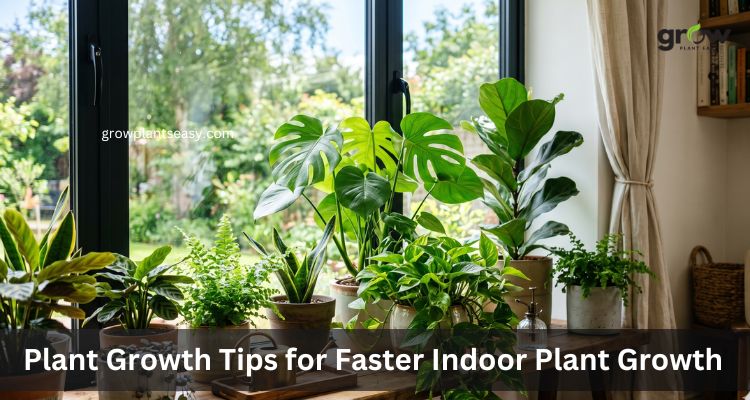
If you’ve ever looked at your plant and thought, “Why is my plant not growing?” — you’re not alone. I remember when I first started gardening, I used to check my plants every day, expecting new leaves, but nothing really changed. It felt frustrating.
The truth is, plants take time, but with the right care, you can definitely grow plants faster and see better results. Small changes in light, watering, and soil can make a big difference in plant growth speed.
In this guide, you’ll learn how to grow plants faster naturally, what slows them down, and the best plant growth tips for beginners. If you want more simple plant care advice, explore helpful guides on Grow Plants Easy.
Check – Watering properly is key for faster growth. Knowing how often to water plants can prevent overwatering and root damage.
Why Your Plant is Not Growing
Before fixing the problem, it’s important to understand why your plant may be growing slowly.
Lack of Proper Light
Light is one of the most important factors for plant growth. Without enough light, plants cannot make energy through photosynthesis.
If your plant is kept in a dark area, it may survive but won’t grow properly. Moving it to a spot with bright indirect sunlight can improve growth significantly.
Incorrect Watering
Both overwatering and underwatering can slow down plant growth. Too much water can damage roots, while too little water can dry them out. Finding the right balance is key. Always check the soil before watering your plant.
Poor Soil Quality
Soil plays a major role in how plants grow faster. If the soil lacks nutrients or drains poorly, roots won’t grow properly. Using well-draining, nutrient-rich soil can improve plant health and speed up growth.
Lack of Nutrients
Plants need nutrients like nitrogen, phosphorus, and potassium to grow. Without these, growth becomes slow and weak. Feeding your plants occasionally can boost their development.
Best Tips to Grow Plants Faster
Here are some of the best plant growth tips that actually work.
Provide the Right Light
Light directly affects how fast your plant grows. Most indoor plants prefer bright indirect light. Placing your plant near a window where it gets enough light can help it grow faster and healthier.
Water at the Right Time
Watering properly is one of the easiest ways to speed up plant growth. Always water when the top layer of soil feels dry. Avoid watering on a fixed schedule—adjust based on your plant’s needs.
Use Good Quality Soil
Using the best soil for plants ensures roots get enough oxygen and nutrients. Good soil also helps prevent waterlogging. If needed, you can improve your soil by adding compost or organic matter.
Fertilize Your Plants
Fertilizers provide essential nutrients that plants need to grow faster. Using a balanced fertilizer once or twice a month can help. However, avoid over-fertilizing, as it can harm your plant.
Maintain Proper Temperature
Plants grow best in a comfortable temperature range. Extreme heat or cold can slow down growth. Keeping your plant in a stable indoor environment helps it grow consistently.
Prune Regularly
Pruning helps remove dead or damaged parts of the plant. This allows the plant to focus energy on new growth. Regular trimming can actually promote faster and healthier growth.
Read – Using the best soil for plants ensures roots get enough nutrients and grow faster.
Natural Ways to Boost Plant Growth
If you prefer simple methods, there are many natural ways to make plants grow faster.
Use Compost
Compost is rich in nutrients and improves soil quality. Adding compost helps plants grow stronger and faster. It’s one of the best natural fertilizers for plants.
Banana Peel Fertilizer
Banana peels contain potassium, which supports plant growth. You can add them to soil or compost. This is a simple and effective home remedy.
Eggshells for Calcium
Eggshells provide calcium, which helps strengthen plant roots. Crushing and mixing them into soil can be beneficial. It’s an easy way to improve soil naturally.
Common Mistakes That Slow Down Plant Growth
Avoiding these common mistakes can make a huge difference in plant growth speed. Even if you’re following basic care, these small errors can stop your plant from growing properly. Fixing them can help you grow plants faster and keep them healthy.
Overwatering
Overwatering is one of the biggest reasons why plants stop growing. When you give too much water, the soil stays wet for a long time, which can damage the roots.
Healthy roots need oxygen to function properly, but excess water blocks airflow and leads to root rot. This not only slows down growth but can also kill the plant. Always check the top layer of soil and water only when it feels dry.
Lack of Light
Light is one of the most important factors for plant growth, and not getting enough of it can slow things down significantly. Plants need light to produce energy, which helps them grow new leaves and stems.
Even low-light indoor plants need some indirect light to survive and grow. Keeping your plant in a completely dark space can weaken it over time. Try placing your plant near a window or a spot with natural light.
Ignoring Soil Quality
Soil plays a major role in how plants grow faster. Poor-quality soil may lack nutrients or hold too much water, which can harm the roots.
Using well-draining, nutrient-rich soil helps plants absorb water and nutrients more efficiently. Good soil supports strong root development, which directly improves plant growth.
Not Repotting Plants
As plants grow, their roots expand and eventually fill the entire pot. When this happens, the roots become crowded and don’t have enough space to grow further.
This can slow down or completely stop plant growth. Repotting your plant into a slightly bigger pot gives the roots more room to spread and absorb nutrients properly.
Over-Fertilizing
While fertilizers help in faster plant growth, using too much can actually harm your plant. Excess fertilizer can burn the roots and damage the soil balance.
Instead of growing faster, your plant may show signs like yellow leaves or slow growth. Always use fertilizer in the right amount and follow a proper schedule.
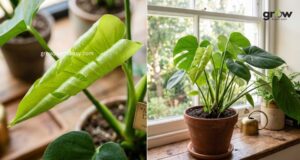
How to Know Your Plant is Growing Faster
Here are some signs of healthy plant growth:
- New leaves are appearing regularly
- Strong stems
- Bright green color
- Faster overall growth
If you notice these, your plant is doing well.
Plant Growth Care Summary
| Factor | Ideal Condition | Tip |
|---|---|---|
| Light | Bright indirect | Place near the window |
| Water | Moderate | Check the soil before watering |
| Soil | Nutrient-rich | Use a well-draining mix |
| Fertilizer | Monthly | Avoid overuse |
| Temperature | 18–30°C | Keep stable |
Frequently Asked Questions
1. How can I make my plants grow faster naturally?
You can use natural methods like compost, proper watering, and good sunlight. These improve plant health without chemicals.
2. Why is my plant growing slowly?
Slow growth is usually due to a lack of light, poor soil, or incorrect watering. Fixing these can improve growth.
3. Does fertilizer help plants grow faster?
Yes, fertilizer provides nutrients that boost growth. However, it should be used in the right amount.
4. Which factor affects plant growth the most?
Light is one of the most important factors. Without proper light, plants cannot grow efficiently.
5. How long does it take for plants to grow faster?
With proper care, you can notice improvements within a few weeks. Growth speed depends on plant type and conditions.
Conclusion
Growing plants faster is not about doing something complicated—it’s about doing the right things consistently. With proper light, watering, soil, and a little patience, you can see real improvement.
By following these best plant growth tips, you can enjoy healthy, fast-growing plants and make your indoor garden thrive 🌿✨