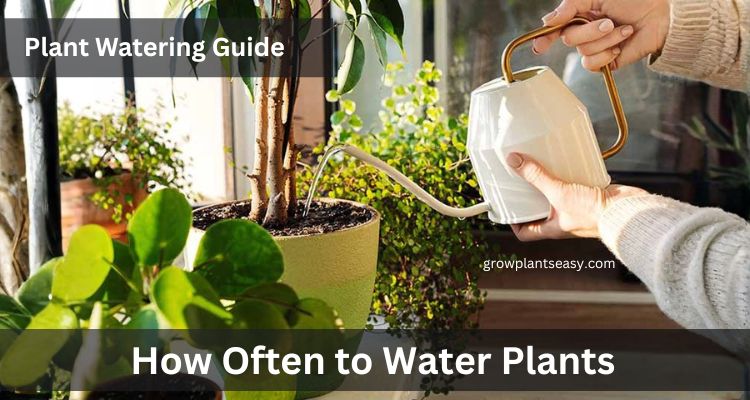
Watering plants seems easy, but it’s where many beginners mess up. Lots of new plant parents worry about their plants drying out, so they water them too much. Others forget to water enough, which isn’t good either.
Plants need just the right amount of water to grow well. If they don’t get enough, their leaves can droop, and they won’t grow as fast. If they get too much, their roots can get damaged, leading to other problems. Learning to watch your plants and figure out how much water they need makes a big difference.
Also, remember that not all plants need the same amount of water. Some, like succulents, like their soil dry between watering. But flowering plants often need water more often. Things like sunlight, temperature, and how humid it is also change how fast the soil dries out. For more easy gardening tips and plant guides, check out Grow Plants Easy.
This guide will teach you how often to water plants, how to tell if you’re having watering problems, and some simple habits to keep your plants happy.
Also Read - Hibiscus Plant Care Guide
Why Proper Watering Is Important for Plants
Water is super important for plants to grow and stay healthy. It helps them get nutrients from the soil and keeps them alive.
Supports Healthy Root Growth
Roots grab water and nutrients from the soil. When plants get the right amount of water, their roots get strong and spread out. Healthy roots help plants grow faster and stay put in their pots or garden.
Nutrients from Soil
Plants need nutrients from the soil to grow leaves, stems, and flowers. Water helps break down these nutrients so the roots can grab them easily. Without enough water, plants might not get the nutrients they need.
Keeping Plants Alive
Water helps keep plants strong and healthy. If plants get enough water, their leaves look firm and bright. If they don’t get enough, they look weak or droopy.
How Often Should You Water Plants?
There’s no one way to water every plant. How often you water depends on the type of plant, the weather, and the size of the pot.
Plant Type
Different plants need different amounts of water. Succulents and cacti store water in their leaves, so they can go longer without water. Flowering plants and leafy houseplants might need water more often.
Indoor vs Outdoor Plants
Indoor plants usually take longer to dry out because they aren’t in direct sunlight or wind. Outdoor plants dry out faster because they’re exposed to the weather. So, outdoor plants usually need more water.
Weather
Temperature and weather really change how much water plants need. When it’s hot, the soil dries out fast, and plants might need more water. When it’s cooler, they usually need less.
Pot Size
Plants in smaller pots dry out faster because there’s less soil. Bigger pots hold more water, so you might not need to water as much. Always think about pot size when you water.
You can also use our Plant Watering Calculator to estimate watering needs more accurately.
Signs Your Plants Need Water
Plants will often show signs when they’re thirsty. Pay attention to these signs to know what your plant needs.
Dry Soil
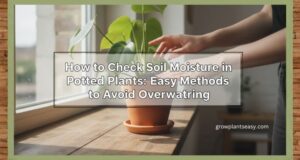
The easiest way to see if a plant needs water is to touch the soil. If the top feels dry, it’s probably time to water. This is called the finger test.
Drooping Leaves
If plants don’t get enough water, their leaves might start to droop or look wilted. This happens because the plant cells lose water and can’t hold their shape.
Slow Growth
Not enough water can make plants grow more slowly. If your plant looks okay but isn’t growing much, it might need more water.
Signs of Overwatering Plants
Watering too much is a common mistake. Too much water stops the roots from getting enough air.
Yellow Leaves
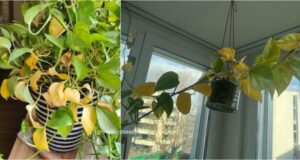
Yellow leaves often mean the plant is getting too much water. When the soil is always wet, the roots can’t work properly, which affects the leaves.
Soft Roots
Roots that sit in waterlogged soil for long periods can become soft and mushy. This condition is often referred to as root rot, and it can be harmful to plant health.
Mold on Soil
If you see mold growing on the soil, it probably means there’s too much water. Better drainage and less watering usually fix this.
You can also read about - How to Grow Healthy Pothos Indoors
Simple Tips for Watering Plants Properly
Making a few simple watering habits can help your plants stay healthy.
Check Soil First
Always check the soil before watering. Many gardeners just touch the soil to see if it’s dry. This stops you from watering too much.
Water in the Morning
The morning is usually the best time to water. This lets plants soak up the water before it gets too hot and evaporates.
Use Pots with Holes
Good drainage is essential for healthy plant roots. Pots with drainage holes allow excess water to escape, preventing water from collecting at the bottom of the pot.
Water with the Seasons
Plants don’t need the same amount of water all year. In winter, they grow slower and need less water. Change your watering routine to match the season.
Plant Watering Guide (Quick Overview)
| Plant Type | Watering Frequency | Tip |
|---|---|---|
| Succulents | Every 2–3 weeks | Allow the soil to dry completely |
| Indoor plants | Every 1–2 weeks | Check the soil before watering |
| Outdoor plants | 2–3 times a week | Depends on sunlight and heat |
| Flowering plants | 2–3 times a week | Keep soil slightly moist |
Common Watering Mistakes Beginners Make
Learning from mistakes can help you take better care of your plants.
Too Much Water
Lots of people water their plants every day, even if the soil is still wet. This can cause root damage. It’s better to water based on how the soil feels.
Ignoring Soil
Some people water without checking the soil first. But the soil moisture can change depending on the weather, pot size, and plant type. Check the soil to make sure plants get the right amount of water.
No Drainage
Pots without drainage holes can trap water in the soil, which can drown the roots. Using pots with holes is a simple but important step.
Frequently Asked Questions About Watering Plants
1. How do I know when my plants need water?
The easiest way to check is by touching the soil. If the top layer feels dry, the plant likely needs watering. Observing leaf condition can also help identify watering needs.
2. Is it better to water plants in the morning or evening?
Morning is generally the best time to water plants. This allows water to reach the roots before the day becomes too warm.
3. Can plants recover from overwatering?
Yes, some plants can recover if overwatering is corrected early. Allowing the soil to dry and improving drainage can help the plant regain strength.
4. Do indoor plants need less water than outdoor plants?
Indoor plants usually need less water because they are not exposed to strong sunlight and wind. Outdoor plants tend to lose moisture faster.
5. How much water should I give my plants?
The amount of water depends on plant type and pot size. The goal is to moisten the soil evenly without leaving it waterlogged.
In short
Knowing how often to water is a big part of taking care of plants. Instead of having a set schedule, watch your plants and check the soil.
Learn the signs of too much or too little water, and you can create a good watering routine for your plants. With a little care, watering will become easy and fun.