
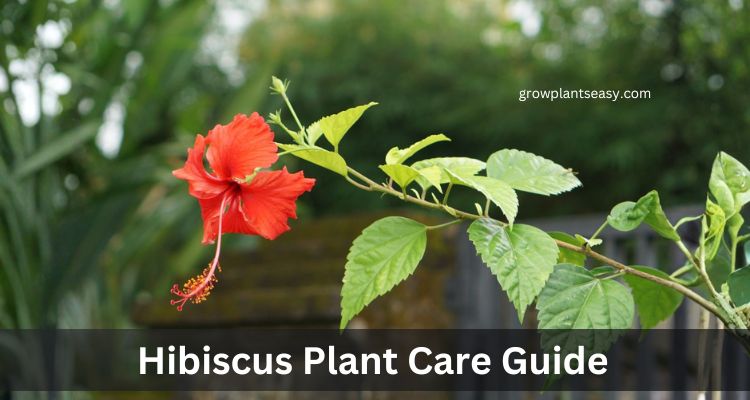
Hibiscus is one of the most loved flowering plants found in home gardens. Its large, colorful flowers instantly brighten up outdoor spaces and give gardens a tropical feel. Because of its beauty and relatively simple care requirements, hibiscus is a popular choice for both beginner and experienced gardeners.
Many folks grow hibiscus in their gardens, on their balconies, or in pots near entrances and patios. You can get them with blooms in red, pink, yellow, orange, and white. If you treat them well, they’ll flower profusely and look great in your garden.
Hibiscus might look delicate with those big flowers, but they’re quite tough if you plant them in the right spot. If you know the basics, anyone can grow a healthy one that lasts a long time.
I’ll tell you all you need to know about caring for hibiscus, like how much sun it needs, how often to water it, what kind of soil it likes, and some tips to get it to grow and flower well. If you want more easy tips for taking care of plants, go to Grow Plants Easy for simple advice and plant guides.
What’s a Hibiscus Plant?
Hibiscus is a tropical flowering plant that’s part of the Malvaceae family. You see them a lot in warm places, especially the tropics and subtropics. People like to use them to decorate gardens and landscapes because they have such big, pretty flowers.
They can be small shrubs or bushes, depending on the kind and where they’re planted. You can put them in pots or right in the ground. If you take care of them, they’ll flower a lot during the warmer months.
Also Read - Best Outdoor Plants for Beginners
Hibiscus Plant Characteristics
Hibiscus plants are famous for their big, trumpet-shaped flowers that bloom for a short time but keep coming back. They also have shiny green leaves that look nice and full.
Another cool thing about hibiscus is that butterflies and bees love them. So they not only look good, but they’re also good for your garden.
Different Kinds of Hibiscus
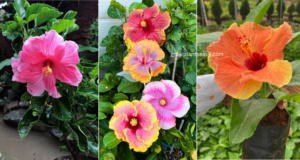
There are different kinds of hibiscus all over. They’re alike in some ways, but some grow better in certain weather.
Tropical Hibiscus
This is a very common kind in warm places. They have bright flowers in all sorts of colors and love being outside in the sun. They like it warm and don’t do well when it’s frosty.
Hardy Hibiscus
These can handle cooler weather better than tropical hibiscus. They get really big flowers and often come back every year. If you live where winters aren’t too bad, this is a good choice.
Chinese Hibiscus
This is a popular one for home gardens. It has bright flowers and grows well as a small shrub. You see this one a lot in tropical and subtropical areas.
You can also read about - Best Indoor Plants
Essential Hibiscus Plant Care Guide
Looking after hibiscus isn’t too hard if you know what they need. Give them the right amount of sun, water, and food, and they’ll grow strong and produce lots of flowers.
How Much Sun?
Hibiscus plants love the sun and do best with at least five or six hours of direct sunlight every day. They need sun to make flowers, so put them somewhere bright outside. If they don’t get enough sun, they might grow leaves but not many flowers. A sunny spot in your garden usually does the trick.
Watering Schedule
Hibiscus plants need water regularly, especially when it’s warm and the soil dries out fast. The soil should be a bit damp but not soggy. It’s best to water them in the morning. That way, the roots can soak up the water before it gets too hot and evaporates.
Best Soil
Good soil is key to strong hibiscus growth. They like soil that drains well and has lots of organic stuff in it. If the soil holds too much water, the roots can get into trouble. Add compost or organic fertilizer to the soil to make it better. This helps the plant grow stronger and make better blooms.
Temperature and Climate
Hibiscus plants do best in warm weather with some humidity. They like temperatures between 18°C and 35°C, so they’re good for a lot of tropical places. Really cold weather can hurt them. If you live somewhere cooler, put them in pots so you can bring them inside when it gets cold.
Fertilizing
Hibiscus plants like fertilizer because they make so many flowers. Use a balanced fertilizer every few weeks during the growing season to help them grow stronger and bloom more. Don’t use too much fertilizer, though, because that can make them grow more leaves but fewer flowers.
Common Problems When Growing Hibiscus
Even though hibiscus are pretty tough, they can still have some problems.
Yellow Leaves
If the leaves turn yellow, it’s often because you’re watering too much or the soil doesn’t drain well. If the roots sit in wet soil for too long, the plant gets stressed. Fix the drainage and water less, and that usually solves the problem.
Not Enough Flowers
Sometimes they grow fine but don’t make many flowers. This can happen if they don’t get enough sun or food. Give them full sun and some fertilizer, and they should bloom more.
Pests Problems
Hibiscus plants can sometimes get aphids or spider mites. These bugs suck on the plant and can make it weak if you don’t do anything about it. Check the leaves often and use some organic pest control to keep the plant healthy.
Benefits of Growing Hibiscus in Your Garden
Besides the pretty flowers, hibiscus has some other perks for your garden.
Beautiful Flowers
The best reason to grow hibiscus is the amazing flowers. They add color and make your garden feel like a tropical getaway.
Attracts Pollinators
Bees, butterflies, and other insects that carry pollen love hibiscus flowers. They help plants make seeds and keep your garden healthy.
Enhances Garden Beauty
A well-cared-for hibiscus plant can be the star of your garden. Whether it’s in the ground or in a pot, it makes your outdoor space look nicer.
Hibiscus Care Summary
| Care Factor | Ideal Condition | Beginner Tip |
|---|---|---|
| Sunlight | Full sunlight | At least 5–6 hours daily |
| Water | Regular watering | Keep soil slightly moist |
| Soil | Well-draining fertile soil | Add compost |
| Temperature | Warm climate | Protect from frost |
Frequently Asked Questions About Hibiscus
1. How often should I water my hibiscus?
Hibiscus plants generally need watering when the top layer of soil becomes dry. During hot weather, they may require more frequent watering. However, the soil should not remain constantly wet.
2. Why isn’t my hibiscus flowering?
Not enough sun, bad soil, or not enough water can stop it from flowering. Give it full sun and some fertilizer, and that should help.
3. Can I grow hibiscus in pots?
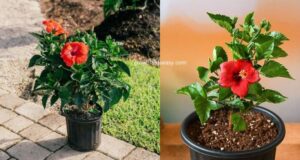
Yes, they do great in big pots. It’s a good way to grow them on balconies, patios, or small gardens. Just make sure the pot has holes in the bottom so the water can drain out.
4. Does hibiscus need full sun?
Hibiscus plants grow best in full sunlight. They generally need several hours of direct sunlight every day to produce healthy flowers.
5. How do I get my hibiscus to bloom?
Providing enough sunlight, regular watering, and occasional fertilizing helps encourage blooming. Removing old flowers and trimming the plant lightly can also support new growth.
Conclusion
Hibiscus is a great plant to have in your outdoor space. With its bright flowers and green leaves, it can easily become the best part of your garden or balcony.
If you give it the right amount of sun, water it regularly, and use good soil, anyone can grow healthy hibiscus plants. Be patient and take care of it, and it’ll give you beautiful blooms all season long.