
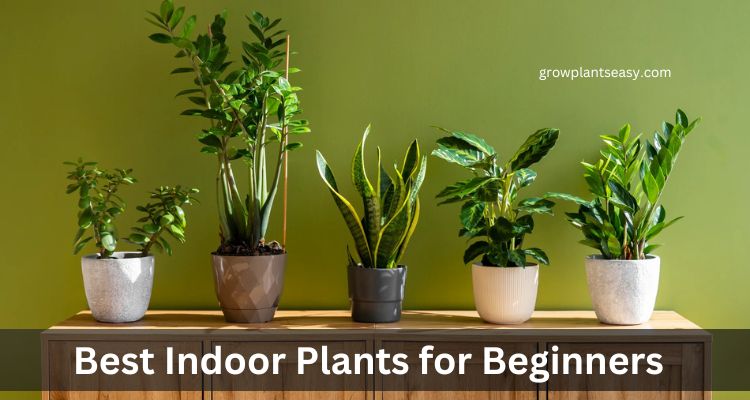
Starting your plant journey can be exciting, but choosing the right plant is very important. Many beginners worry about killing their first plant because they don’t know how to take care of it properly.
The good news is that some indoor plants are naturally low-maintenance and very forgiving, making them perfect for beginners. These plants can survive in different light conditions and do not require constant watering.
In this guide, we will explore the best indoor plants for beginners that are easy to grow and require minimal care. Explore more simple plant guides and growing tips on Grow Plants Easy.
Best Indoor Plants
1. Snake Plant – One of the Easiest Indoor Plants for Beginners
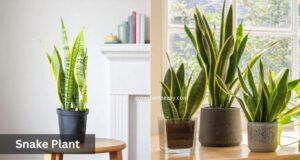
The snake plant is known as Sansevieria, and is often called one of the easiest indoor plants to grow. It’s super tough and can handle being ignored way better than other houseplants. Plus, with its straight-up leaves and modern look, it fits right in as a cool decoration in homes and offices.
One of the great things about snake plants is that they can take low light. They don’t need much water either, making them perfect if you sometimes forget to water your plants.
Care Tips:
- Water every two or three weeks
- Put it where there’s not much direct sunlight
- Use soil that drains well
Snake plants also help clean the air, so they’re great for bedrooms and living rooms.
The snake plant is one of the best indoor plants for beginners because it needs very little water and can survive in low light.
2. Pothos (Money Plant) – A Fast-Growing Beginner Houseplant
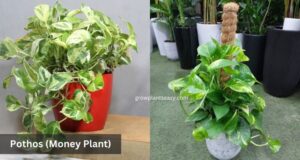
Pothos is another great plant for beginners since it looks good and is easy to keep alive. It has vines with heart-shaped leaves and can grow in soil or just in water.
Pothos plants adapt well to different lighting conditions and can tolerate occasional neglect. They grow quickly and can be placed on shelves, hanging baskets, or desks.
Care Tips:
- Water once a week
- Put it where there’s some light, but not right in the sun
- Let the soil dry out a bit between waterings
Because it grows fast and is pretty forgiving, pothos is often a good starter houseplant. Pothos is a fast-growing plant that is perfect for beginners who want quick results.
3. Spider Plant – A Low-Maintenance Indoor Plant
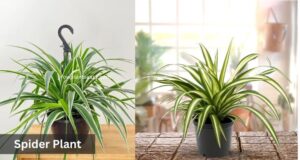
Spider plants have these cool arching leaves and baby plants that sprout from the main plant. You can easily replant these babies to make new plants, which makes spider plants a fun pick for beginners.
Spider plants can adjust to different places inside. Plus, they can take the occasional watering mistake.
Care Tips:
- Water once a week
- Put it where there’s some light, but not right in the sun
- Use soil that drains well
If you take care of them, spider plants can stick around for years and just keep popping out new babies.
The spider plant is one of the easiest houseplants to grow indoors, making it perfect for beginners. This low-maintenance indoor plant grows quickly and adapts well to different light conditions.
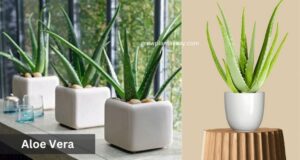
4. Aloe Vera – A Beginner-Friendly Succulent Plant
Aloe vera is a popular plant that’s easy to grow and has lots of uses. The stuff inside its leaves is great for skin and minor burns.
Since aloe vera stores water in its thick leaves, you don’t have to water it much. This makes it perfect for people who are new to gardening.
Care Tips:
- Water every two or three weeks
- Put it where there’s lots of sun
- Use soil made for cactus
Aloe vera loves sunny spots and doesn’t need much attention. If you want an easy indoor plant, aloe vera is a great choice as it grows well even with basic care.
5. ZZ Plant – The Perfect Low Light Indoor Plant
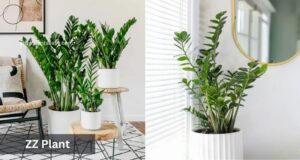
The ZZ plant is known for being able to survive almost anything. It’s got shiny green leaves and a strong shape that makes it look good and last long.
This plant can handle low light and not getting watered all the time, which is why lots of beginners grab it as their first indoor plant.
Care Tips:
- Water every two or three weeks
- Put it where there’s not much light
- Don’t water it too much
Even in offices or rooms without a lot of sun, the ZZ plant can keep on growing.
If you’re a beginner, the ZZ plant is one of the easiest indoor plants to grow, especially in low light.
6. Jade Plant – A Popular Easy Care Succulent
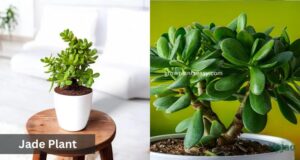
Jade plants are cool plants that people think bring wealth and good luck. They’re small, easy to care for, and great for desks or small spots.
Because jade plants store water in their leaves, they don’t need to be watered much.
Care Tips:
- Put it where there’s lots of light
- Water it when the soil is dry
- Use soil that drains well
If you take care of them, jade plants can turn into small indoor trees.
7. Peace Lily – A Beautiful Flowering Indoor Plant
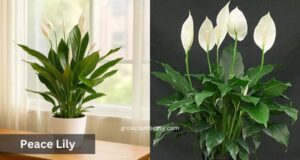
Peace lilies have these pretty white flowers and dark green leaves. They’re some of the nicest indoor plants for beginners.
They also might help clean the air inside.
Care Tips:
- Keep the soil a bit wet
- Put it where there’s light, but not right in the sun
- Spray the leaves sometimes
Peace lilies will often droop when they need water, which makes it easy to know when to water them. If you want an easy indoor plant with beautiful flowers, the peace lily is a perfect choice for beginners.
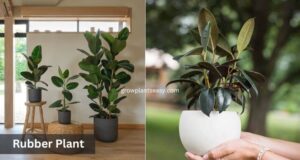
8. Rubber Plant – A Stylish Indoor Plant for Homes
Rubber plants are popular indoor plants that can turn into small trees. They’ve got big, shiny leaves that make them look impressive.
Even though they look fancy, rubber plants are pretty easy to take care of.
Care Tips:
- Put it where there’s light, but not right in the sun
- Water once a week
- Wipe the leaves once in a while
If you take care of them, rubber plants can get tall and be the center of attention in your place. The rubber plant is one of the easiest houseplants to grow indoors, making it perfect for beginners who want a decorative plant.
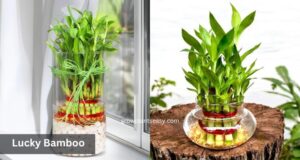
9. Lucky Bamboo – An Easy Indoor Plant That Grows in Water
Lucky bamboo is a cool plant that often grows in water instead of soil. Some people believe it brings good luck and good vibes.
It doesn’t need much care and is perfect for beginners.
Care Tips:
- Keep the roots under water
- Put it where there’s not much direct sunlight
- Change the water once a week
Lucky bamboo is all over homes and offices because you barely have to do anything to keep it alive.
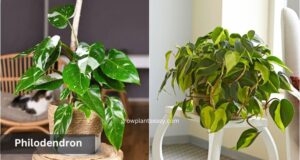
10. Philodendron – A Simple and Fast-Growing Houseplant
Philodendrons are plants that grow fast and have heart-shaped leaves. They’re good at adapting to indoor places and don’t need a lot of care.
Since they grow fast, you can train them to climb or hang from pots.
Care Tips:
- Water once a week
- Put it where there’s light, but not right in the sun
- Let the soil dry out a bit between waterings
Philodendrons are just the thing for beginners who want a plant that looks good without a lot of work.
Helpful Tips for Beginner Plant Owners
Starting with house plants is way simpler when you know some basic care stuff. A lot of new plant parents make simple mistakes like giving their plants too much water or putting them in the wrong spot. If you follow these tips, you can keep your plants happy and watch them grow!
1. Avoid Overwatering Your Plants
One common mistake is watering too much. Plants need water, sure, but too much can hurt the roots and cause root rot.
Most house plants like their soil to dry out a bit between waterings. Don’t just water on a schedule; check the soil first. Stick your finger in about an inch. If it feels dry, it’s water time.
Also, use pots with holes in the bottom so extra water can get out.
2. Provide the Right Amount of Light
Light is super important for plants to grow. Some plants need different amounts of light, but most house plants do well with bright, indirect sunlight.
Near a window with filtered light is usually good. But don’t put plants in direct sunlight, it can burn the leaves.
If your place doesn’t have much light, get plants that can handle low light, like snake plants or ZZ plants.
3. Use Good Soil
Good soil is a big deal for healthy plants. Plants in heavy soil might not do well because the water can’t drain out properly.
Use a potting mix that lets air and water reach the roots. A lot of plant people like mixes with stuff like perlite or compost.
This kind of soil helps keep the right amount of water in the soil without drowning the roots.
4. Choose Pots with Proper Drainage
The kind of pot you use can really affect your plant. Pots without holes can trap too much water, which can cause root damage and fungus.
Always pick pots that let water flow out the bottom. You can put a tray under the pot to catch the extra water.
Good drainage keeps the roots healthy and gives them enough air.
5. Start with Easy, Low-Maintenance Plants
If you’re new to this, start with easy plants. Snake plants, pothos, spider plants, and aloe vera are great for beginners.
These plants can handle some mistakes and do well indoors. As you learn more, you can get more plants and try new things.
Starting easy will help you learn what you need to know to keep your plants alive.
Frequently Asked Questions About Indoor Plants for Beginners
1. What are the best indoor plants for beginners?
Snake plants, pothos (money plant), spider plants, aloe vera, and ZZ plants are some really good houseplants if you’re just starting out. They’re simple to care for, don’t need much watering, and can handle different light levels. Since they’re tough and can adapt, they’re great if you haven’t gardened indoors before.
2. Which indoor plants are the easiest to grow at home?
The easiest indoor plants to grow at home are snake plants, pothos, spider plants, and philodendrons. These plants are known for their ability to survive in low light and require very little maintenance. They can also tolerate occasional watering mistakes, which makes them perfect for beginner plant owners.
3. How often should I water my indoor plants?
If you’re a beginner, try watering once every 1-2 weeks. It depends on the plant, how big the pot is, and what it’s like inside your house. Before you water, always check the dirt first. If the top layer is dry, then it probably needs water. Giving plants too much water is a common mistake people make when they’re starting out.
4. Which indoor plants need the least sunlight?
Some houseplants can still grow well, even if it’s not that bright. ZZ plants, snake plants, and pothos can all handle less sunlight. They’re good for rooms that don’t get much sun or spots that only get a little bit.
5. What is the best way to start growing indoor plants?
The best way to start growing indoor plants is to choose low-maintenance plants for beginners and learn their basic care requirements. Start with one or two easy plants, place them in a suitable location with indirect sunlight, and water them when the soil becomes dry. As you gain experience, you can gradually expand your indoor plant collection.
Conclusion
Indoor gardening does not have to be complicated. By starting with beginner-friendly plants such as snake plants, pothos, spider plants, and aloe vera, you can build confidence and learn essential plant care skills.
These plants are resilient, adaptable, and easy to maintain, making them perfect choices for anyone new to gardening. With the right care and a little patience, your indoor plants will thrive and transform your home into a beautiful green space.