
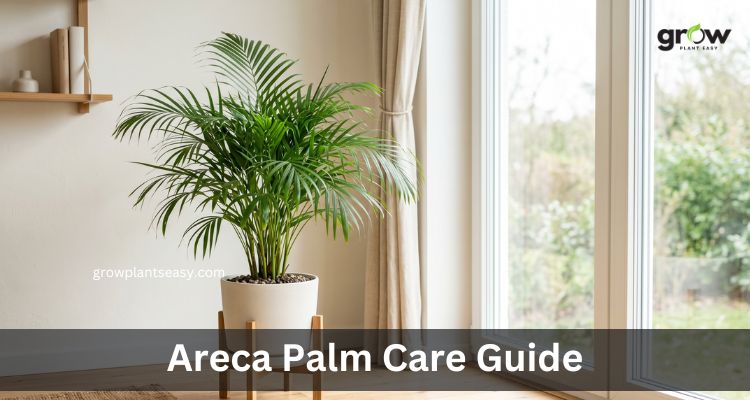
I still remember when I first added an areca palm to my room—it instantly made the space feel fresh and lively. Its long, soft green leaves gave a tropical vibe that no other plant could match.
The best part? It’s not as difficult to care for as it looks. With the right balance of light, water, and soil, you can easily grow a healthy areca palm indoor plant.
In this guide, you’ll learn everything about areca palm care, including watering, light, common problems, and beginner tips. If you want more simple plant care advice, explore helpful guides on Grow Plants Easy.
What is an Areca Palm?
The areca palm, also known as Dypsis lutescens, is a popular indoor palm plant known for its feathery, arching leaves. It is often used as a decorative plant in homes and offices.
It grows in clusters and can become quite bushy, making it one of the best indoor plants for home decor. It’s also considered a low-maintenance indoor plant when basic care is followed.
What Does an Areca Palm Look Like?
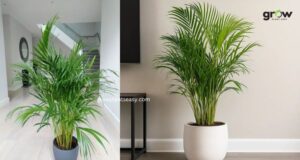
The areca palm indoor plant has long, thin stems with soft green leaves that spread out like a fan. Its light green color gives a fresh and calming look to any space.
As it grows, it becomes fuller and adds a natural tropical feel indoors. It’s perfect if you want a plant that fills empty corners beautifully.
Check this post - Best Low Light Indoor Plants
Benefits of Growing Areca Palm Indoors
Growing an areca palm at home offers both visual and practical benefits.
Improves Indoor Environment
The areca palm is often considered an air-purifying indoor plant that helps create a fresher indoor space. While it may not completely clean the air, it still contributes to a healthier environment. It also adds humidity to the air, which can be helpful in dry indoor conditions.
Perfect for Home Decor
With its soft, feathery leaves, the areca palm is one of the best indoor decorative plants. It instantly makes your room look more vibrant and lively. It works especially well in living rooms and corners.
Beginner-Friendly Plant
Even though it looks premium, the areca palm is relatively easy to care for. It’s a great choice if you’re looking for a beginner indoor plant. With simple care, it can stay healthy for years.
Areca Palm Care Tips
Understanding the basics of areca palm care indoors will help your plant grow well.
Light Requirements
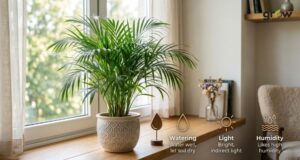
The areca palm prefers bright indirect light for the best growth. Placing it near a window where sunlight is filtered works perfectly. It can tolerate low light, but growth may slow down. Avoid direct sunlight as it can burn the leaves.
Watering Schedule
Proper watering is very important for a healthy areca palm indoor plant. The soil should be kept slightly moist but not soggy. Water the plant when the top layer of soil feels dry. Overwatering can lead to root problems, so always check before watering.
👉 You can also learn how often to water plants for better results.
Soil and Potting Mix
Using well-draining soil for indoor plants is essential. A good potting mix allows excess water to drain easily and keeps roots healthy. Avoid heavy soil that holds too much water, as it can cause root rot.
👉 Check the guide on the best soil for plants for a better understanding.
Temperature and Humidity
The areca palm grows best in warm temperatures between 18°C and 30°C. It prefers moderate humidity but can adjust to normal indoor conditions. If the air is too dry, misting the leaves occasionally can help.
Fertilizing Areca Palm
Feeding your plant once a month during the growing season can support healthy growth. Use a balanced fertilizer in small amounts. Avoid over-fertilizing, as it can damage the roots and slow down growth.
Areca Palm Care Summary
| Care Factor | Ideal Condition | Tip |
|---|---|---|
| Light | Bright indirect | Avoid direct sun |
| Water | Moderate | Keep soil slightly moist |
| Soil | Well-draining | Prevent root rot |
| Temperature | 18–30°C | Keep stable |
| Fertilizer | Monthly | Use in a small amount |
Also Read - Easy Tips to Grow Plants Faster
Common Problems with Areca Palm
Even though it’s easy to care for, the areca palm can face some common issues.
Yellow Leaves
Yellow leaves are usually caused by overwatering or poor drainage. When roots stay wet for too long, they start to weaken. Let the soil dry slightly and ensure proper drainage to fix this problem.
Brown Leaf Tips
Brown tips often appear due to low humidity or inconsistent watering. Dry air can affect the plant’s leaves. Increasing humidity and maintaining a regular watering routine can help.
Slow Growth
If your plant is not growing, it may not be getting enough light or nutrients. Moving it to a brighter spot can improve growth. You can also check this guide on how to grow plants faster for better results.
How to Propagate Areca Palm
Propagation of the areca palm is usually done through division.
Division Method
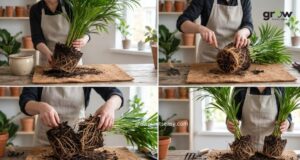
The division method is the most effective way to propagate areca palm indoors. When your plant becomes large and bushy, you can gently remove it from the pot and separate it into smaller sections.
Each section should have healthy roots attached so it can grow independently. After separating, plant them in fresh, well-draining soil and water lightly to help them settle. Keep them in a shaded area for a few days to reduce stress and support healthy growth.
Best Places to Keep Areca Palm Indoors
Choosing the right location is very important for maintaining a healthy areca palm indoor plant. Proper placement not only improves growth but also enhances the overall look of your space.
Living Room
The living room is one of the best places to keep an areca palm. Its large, feathery leaves make it a perfect statement plant that instantly improves home decor.
Placing it in a corner or near furniture can make the room look more lively and balanced. It’s one of the best indoor decorative plants for modern homes.
Near a Window
Keeping your plant near a window ensures it receives bright indirect light, which is ideal for its growth. This helps the plant maintain its vibrant green color and encourages steady growth. Avoid placing it in direct sunlight, as harsh rays can burn the leaves. A spot with filtered sunlight works best.
Office Space
The areca palm is also a great choice for office environments. It creates a calm and refreshing atmosphere, making the space feel less stressful. Since it is a low-maintenance indoor plant, it can survive well in indoor office conditions with basic care.
Common Mistakes to Avoid
Avoiding these common mistakes will help your areca palm grow faster and stay healthy for a long time.
Overwatering
Overwatering is one of the most common mistakes in areca palm care. When the soil stays too wet, it can lead to root rot, which damages the plant from the inside. Yellow leaves are often a sign of too much water. Always let the top layer of soil dry slightly before watering again.
Direct Sunlight
While the areca palm needs light, exposing it to direct sunlight can harm the plant. Strong sunlight can cause leaf burn and turn the tips brown. It’s best to keep the plant in bright indirect light where it gets enough light without damage.
Ignoring Humidity
The areca palm prefers a slightly humid environment. Very dry air can lead to brown leaf tips and slow growth. If your indoor air is dry, you can mist the leaves occasionally or keep the plant near other plants to maintain humidity levels.
Not Repotting on Time
As the plant grows, its roots need more space. If you keep it in the same pot for too long, growth can slow down. Repotting every 1–2 years helps the roots expand and improves overall plant health.
Frequently Asked Questions About Areca Palm
1. How often should I water the areca palm?
You should water your areca palm when the top layer of soil feels dry. Avoid watering on a fixed schedule, as overwatering can damage the roots. Checking the soil regularly helps maintain the right balance for healthy growth.
2. Can the areca palm grow in low light?
Yes, the areca palm indoor plant can survive in low light conditions, but its growth may slow down. It prefers bright indirect light for better results. Keeping it near a window will help it grow faster and stay healthy.
3. Is the areca palm good for beginners?
Yes, it is one of the best indoor palm plants for beginners because it is easy to care for and adapts well to indoor conditions. With basic watering and light, it can grow beautifully without much effort.
4. Why are my areca palm leaves turning yellow?
Yellow leaves are usually caused by overwatering or poor drainage. When roots stay wet for too long, they become weak. Adjusting watering habits and using well-draining soil can solve this issue.
5. Does the areca palm purify air?
The areca palm is often considered an air-purifying indoor plant and can help improve indoor air quality slightly. While it may not replace air purifiers, it still creates a fresher and more natural environment.
Final Thoughts
The areca palm is one of the best indoor plants if you want something beautiful, easy to care for, and refreshing. Its soft green leaves can instantly transform your space.
With proper care, your areca palm indoor plant can grow healthy and add a natural touch to your home for years 🌿✨