
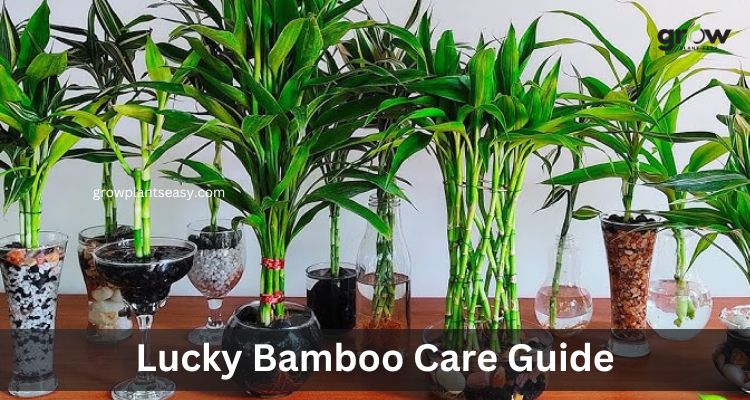
I still remember when I first got a lucky bamboo—it was just a small glass container with a few green stalks in water, but it instantly made my desk look calm and fresh. The best part? I didn’t even need soil.
If you’re someone who wants a plant that’s simple, stylish, and easy to care for, the lucky bamboo indoor plant is a perfect choice. It’s one of the easiest indoor plants for beginners, and it can grow beautifully with minimal effort.
In this guide, you’ll learn everything about lucky bamboo care, including how to grow it in water, light requirements, common problems, and tips to keep it healthy. If you want more simple and beginner-friendly plant tips, explore helpful guides on Grow Plants Easy.
What is Lucky Bamboo?
Lucky bamboo is not actually a true bamboo plant—it belongs to the Dracaena family. It is commonly grown indoors and is known for its attractive green stalks and simple care routine.
The lucky bamboo indoor plant is popular in homes and offices because it can grow in water and requires very little maintenance. It’s also associated with positive energy and good luck in many cultures.
Check this post - How to Grow a Healthy Rubber Plant Indoors
Benefits of Growing Lucky Bamboo Indoors
Easy to Grow Without Soil
One of the biggest advantages of lucky bamboo is that it can grow in water. You don’t need soil, which makes it very clean and hassle-free. This makes it one of the best indoor plants for beginners.
Low Maintenance Plant
The lucky bamboo plant does not require frequent care. As long as you change the water and provide light, it can thrive easily. It’s perfect for people with busy schedules.
Perfect for Small Spaces
Lucky bamboo is compact and can fit easily on desks, shelves, or small corners. It’s ideal for apartments and office spaces. It adds a fresh and calming touch to any area.
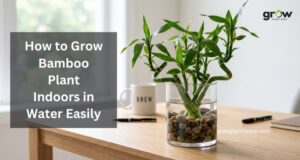
How to Grow Lucky Bamboo in Water
Growing lucky bamboo in water is simple if you follow a few basic steps.
Choose a Clean Container
Use a glass or ceramic container to grow your bamboo. Transparent containers are popular because they show the roots and water level. Make sure the container is clean to prevent bacterial growth.
Use Clean Water
Always use clean, filtered, or distilled water for your lucky bamboo indoor plant. Tap water with too much chlorine can damage the plant. Change the water every 7–10 days to keep it fresh.
Support with Pebbles
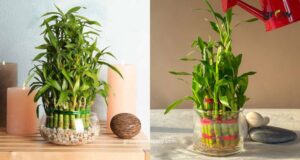
Add small pebbles at the base to support the plant and keep it upright. This also helps hold the roots in place. It improves stability and gives a decorative look.
You can also check - Easy Plants That Grow Without Sunlight
Lucky Bamboo Care Tips
Light Requirements
Lucky bamboo grows best in bright indirect light. Direct sunlight can burn the leaves and turn them yellow. Place it near a window with filtered light for healthy growth.
Watering and Maintenance
Since it grows in water, you don’t need traditional watering. Just make sure the roots are always submerged in water. Change the water regularly to prevent odor and keep the plant healthy.
Temperature and Environment
Lucky bamboo prefers temperatures between 18°C and 30°C. Avoid placing it near AC vents or heaters. A stable indoor environment helps it grow better.
Fertilizing Lucky Bamboo
You can add a small amount of liquid fertilizer occasionally, but it’s not necessary. Too much fertilizer can damage the plant. Keep it simple for the best results.
Common Problems with Lucky Bamboo
Yellow Leaves
Yellow leaves are usually caused by too much sunlight or poor water quality. Direct sunlight can burn the leaves. Switch to indirect light and use clean water to fix the issue.
Root Rot
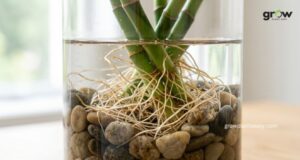
If the roots start turning brown or soft, it may be due to dirty water. This can harm the plant’s growth. Clean the container and replace the water immediately.
Slow Growth
If your plant is not growing, it may not be getting enough light. Moving it to a brighter spot can help. You can also check tips on how to grow plants faster for better results.
Check this - How to Grow Areca Palm Indoors Easily
Best Places to Keep Lucky Bamboo Indoors
Choosing the right location is very important for keeping your lucky bamboo indoor plant healthy and attractive. Since it grows in water and needs indirect light, placement plays a big role in its growth and appearance.
Desk or Work Area
Lucky bamboo is one of the best indoor plants for desks because it is compact and easy to maintain. It fits perfectly in small spaces and doesn’t require soil, making it clean and mess-free.
Living Room
The living room is a great place to display your lucky bamboo indoor plant as a decorative element. Its green stalks and water-filled container give a modern and elegant look. It blends well with both minimal and stylish interiors, making it one of the best indoor decorative plants.
Office Space
Lucky bamboo is very popular in office environments because it is a low-maintenance indoor plant. It can survive with minimal care and doesn’t require frequent attention. It’s perfect for desks, reception areas, or small office corners.
Common Mistakes to Avoid
Avoiding these simple mistakes can help your lucky bamboo grow healthy and last longer.
Using Dirty Water
Dirty or stagnant water is one of the biggest reasons for unhealthy lucky bamboo. It can lead to root rot, bad odor, and slow plant growth. Always use clean, filtered, or distilled water and change it every 7–10 days.
Direct Sunlight Exposure
Although lucky bamboo needs light, too much direct sunlight can damage the plant. Harsh sunlight can burn the leaves and turn them yellow. It’s best to keep your plant in bright indirect light, such as near a window with filtered sunlight.
Overusing Fertilizer
Lucky bamboo does not require much fertilizer, and using too much can actually harm it. Excess nutrients can damage the roots and affect growth. If you choose to fertilize, use a very small amount occasionally. Keeping it simple is the best way to maintain a healthy lucky bamboo plant.
Lucky Bamboo Care Summary
| Care Factor | Ideal Condition | Tip |
|---|---|---|
| Light | Bright indirect | Avoid direct sun |
| Water | Clean & fresh | Change weekly |
| Container | Glass/ceramic | Keep clean |
| Temperature | 18–30°C | Keep stable |
Frequently Asked Questions
1. How to grow lucky bamboo in water?
Place the plant in a clean container with water and pebbles. Make sure the roots stay submerged and change water regularly.
2. Can lucky bamboo grow without sunlight?
Lucky bamboo can survive in low light, but it grows best in bright indirect light.
3. How often should I change the water?
You should change the water every 7–10 days to keep it clean and healthy.
4. Why are my lucky bamboo leaves turning yellow?
This is usually due to direct sunlight or poor water quality. Switching to filtered water and indirect light can fix the problem.
5. Is lucky bamboo good for beginners?
Yes, it is one of the easiest indoor plants for beginners because it requires very little care.
Conclusion
The lucky bamboo indoor plant is one of the easiest and most attractive plants you can grow at home. Whether you keep it on your desk or in your living room, it adds a fresh and calming touch.
With simple care, your lucky bamboo can stay healthy and beautiful for years 🌿✨