
🌱 Seed Spacing Calculator
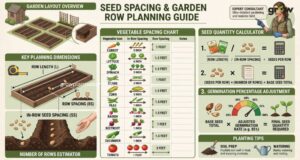
Calculate seed quantity based on crop type, row length, row spacing, seed spacing, number of rows, and expected germination rate.
Proper seed spacing is one of the easiest ways to grow healthier plants and improve your harvest. Planting seeds too close together can lead to overcrowding, poor air circulation, and competition for water and nutrients, while planting them too far apart wastes valuable garden space.
Explore more gardening calculators, planting guides, and landscaping tools on Grow Plants Easy to grow healthier plants and plan your garden with confidence.
Many gardeners ask:
👉 “How many seeds do I need for my garden row?”
👉 “What is the correct spacing for vegetable seeds?”
The answer depends on the type of crop, row length, spacing between rows, spacing between seeds, and the expected germination rate.
That’s where this Seed Spacing Calculator helps.
This tool estimates:
- Total seeds required
- Seed rate
- Planting area
- Extra seeds needed based on germination percentage
- Recommended spacing for popular vegetables
Whether you’re planting a small backyard vegetable garden or a larger growing area, this calculator helps you purchase and sow the right amount of seed.
🌱 How to Use the Seed Spacing Calculator
Using the calculator is easy.
Enter:
- Seed type
- Row length
- Row spacing
- In-row seed spacing
- Number of rows
- Expected germination percentage
After calculating, you’ll receive:
- Total seeds required
- Adjusted seed quantity
- Seed rate
- Approximate planting area
- Helpful planting recommendations
The calculator automatically fills recommended spacing for many common vegetables to make planning even easier.
Check this post - Sandbox Sand Calculator
🌿 What This Calculator Helps You With
Estimate Total Seeds
Calculate how many seeds you’ll need for your planting rows before buying seed packets.
Adjust for Germination Rate
Not every seed germinates successfully. The calculator increases the recommended seed quantity based on your expected germination percentage.
Reduce Seed Waste
Buying the correct amount of seed helps reduce unnecessary spending and leftover seed.
Plan Garden Layout
Knowing the required spacing makes it easier to organize rows and maximize growing space.
🌾 Typical Vegetable Seed Spacing
| Vegetable | In-Row Spacing | Row Spacing |
|---|---|---|
| Carrot | 2 in (5 cm) | 12 in (30 cm) |
| Lettuce | 8 in (20 cm) | 18 in (45 cm) |
| Spinach | 4 in (10 cm) | 12 in (30 cm) |
| Beans | 4 in (10 cm) | 24 in (60 cm) |
| Corn | 10 in (25 cm) | 30 in (75 cm) |
| Peas | 2 in (5 cm) | 18 in (45 cm) |
| Radish | 2 in (5 cm) | 12 in (30 cm) |
| Beetroot | 4 in (10 cm) | 18 in (45 cm) |
| Cucumber | 18 in (45 cm) | 48 in (120 cm) |
| Tomato | 24 in (60 cm) | 48 in (120 cm) |
These values are common recommendations and may vary slightly depending on the variety.
🌿 Tips for Successful Seed Planting
To improve germination and plant growth:
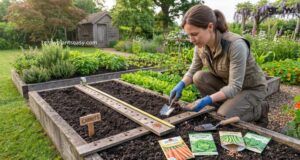
- Plant at the recommended depth for each crop.
- Water consistently without overwatering.
- Use quality seed-starting soil.
- Thin seedlings if plants become crowded.
- Follow the spacing recommendations for your crop.
Good planting practices lead to stronger, healthier vegetables.
Also check – Pergola Labor Cost Calculator & Irrigation Pump Sizing Calculator
❓ FAQs – Seed Spacing Calculator
1. Why is proper seed spacing important?
Correct spacing gives each plant enough room to grow, improving airflow, sunlight exposure, and access to water and nutrients.
2. What is a germination rate?
The germination rate is the percentage of seeds expected to sprout under suitable growing conditions.
3. Why does the calculator recommend extra seeds?
Extra seeds help compensate for seeds that fail to germinate or seedlings lost to pests, weather, or thinning.
4. Can I use this calculator for flowers?
While it’s designed primarily for vegetables, it can also be used for many flowering plants if you know the recommended seed spacing.
5. Should I follow the spacing shown on the seed packet?
Yes. Seed packets provide crop-specific recommendations that may vary slightly depending on the variety.
6. Can I change the default spacing values?
Yes. The calculator automatically suggests common spacing for selected crops, but you can manually adjust the values if needed.
🌱 Conclusion
The Seed Spacing Calculator helps estimate the number of seeds needed based on row length, spacing, number of rows, and expected germination rate. By using the correct spacing and accounting for germination, you can reduce waste, improve plant health, and make the most of your growing space.
Whether you’re planting carrots, lettuce, spinach, beans, corn, or other vegetables, this calculator makes garden planning faster, easier, and more accurate.