
🐝 Pollinator Garden Calculator
Estimate how many flowering plants you'll need to create a healthy pollinator garden for bees, butterflies, hummingbirds, and other beneficial insects.
A pollinator garden is designed to attract and support beneficial pollinators such as bees, butterflies, hummingbirds, moths, and other insects. These creatures play an essential role in pollinating flowers, fruits, and vegetables while helping maintain a healthy ecosystem.
Discover more gardening calculators, flower care tools, and landscaping guides on Grow Plants Easy to create thriving gardens that support both your plants and local pollinators.
Many gardeners ask:
👉 “How many flowers do I need for a pollinator garden?”
👉 “How much space should I leave between pollinator plants?”
The answer depends on your garden size, plant spacing, and the type of pollinators you want to attract.
That’s where this Pollinator Garden Calculator helps.
This tool estimates:
- Garden area
- Number of flowering plants required
- Recommended plant spacing
- Pollinator-friendly flower suggestions
- Planting tips for continuous blooms
🐝 How to Use the Pollinator Garden Calculator
Using the calculator is simple.
Enter:
- Garden length
- Garden width
- Desired plant spacing
- Pollinator goal (bees, butterflies, or mixed wildlife)
After calculating, you’ll receive:
- Total garden area
- Estimated number of flowering plants
- Recommended flower varieties
- Pollinator coverage tips
- Helpful gardening advice
These estimates help you build a colorful and productive pollinator habitat.
Also check - Decomposed Granite Calculator
🌼 What This Calculator Helps You With
Estimate the Number of Plants Needed
Instead of guessing, this calculator estimates how many flowering plants fit comfortably within your garden based on spacing.
Choose the Right Plant Spacing
Proper spacing improves air circulation, plant growth, and accessibility for pollinators while reducing overcrowding.
Support Local Pollinators
By selecting nectar-rich flowers, you can create a garden that provides food throughout the growing season for bees, butterflies, hummingbirds, and other beneficial wildlife.
Improve Garden Planning
Knowing how many plants you’ll need makes budgeting and shopping much easier before planting begins.
Encourage Continuous Blooming
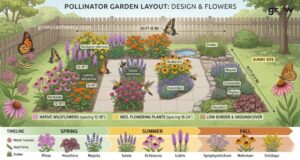
A well-planned pollinator garden includes flowers that bloom from spring through fall, providing a consistent food source.
Check these posts: Hibiscus Watering Calculator & Bougainvillea Watering Calculator
📏 Recommended Plant Spacing
| Plant Spacing | Best For |
|---|---|
| 12 Inches | Dense flower beds |
| 18 Inches | Mixed perennial gardens |
| 24 Inches | Larger flowering shrubs and spreading plants |
Spacing may vary depending on the mature size of each plant.
❓ FAQs – Pollinator Garden Calculator
1. How many flowers do I need for a pollinator garden?
The number depends on your garden size and plant spacing. This calculator estimates how many plants fit within your available space.
2. What flowers attract the most bees?
Lavender, bee balm, salvia, coneflowers, clover, and native wildflowers are among the best bee-friendly plants.
3. Which flowers attract butterflies?
Butterflies are commonly attracted to milkweed, zinnias, lantana, asters, verbena, and butterfly bush.
4. Should I use native plants?
Yes. Native plants are often better adapted to local pollinators and growing conditions.
5. Can I create a pollinator garden in a small yard?
Absolutely. Even a small flower bed or a few containers filled with nectar-rich flowers can attract pollinators.
🐝 Conclusion
The Pollinator Garden Calculator helps gardeners estimate how many flowering plants they need based on garden size, plant spacing, and pollinator goals. By creating a well-planned pollinator garden filled with diverse flowering plants, you can support bees, butterflies, hummingbirds, and other beneficial wildlife while adding lasting beauty to your outdoor space.
Whether you’re planting a small flower border or designing a large wildlife garden, thoughtful planning helps create a thriving habitat for pollinators 🌼🐝🦋🌿✨